CD90 antibody | F15-42-1
Mouse anti Human CD90:StarBright Violet 610
- Product Type
- Monoclonal Antibody
- Clone
- F15-42-1
- Isotype
- IgG1
- Specificity
- CD90
 Antibody Quality and Performance Guarantee


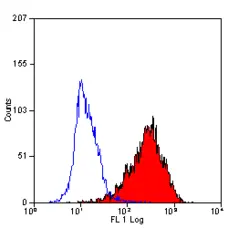
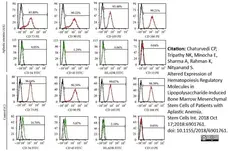
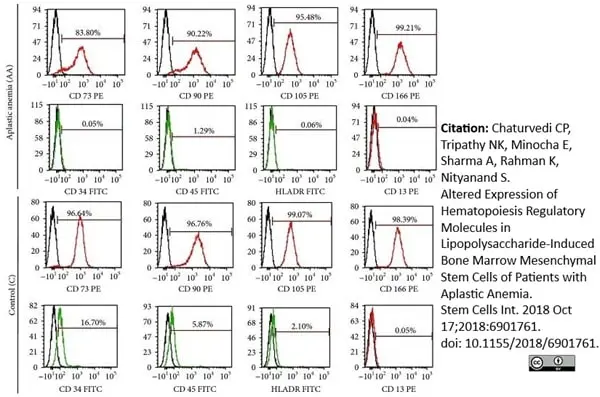
Phycoerythrin conjugated Mouse anti Human CD90 antibody, clone F15-42-1 (MCA90PE) used to evaluate CD90 expression on human bone-marrow derived mesenchymal stem cells by flow cytometry.
Image caption:
Chaturvedi CP, Tripathy NK, Minocha E, Sharma A, Rahman K, Nityanand S.
From: Altered Expression of Hematopoiesis Regulatory Molecules in Lipopolysaccharide-Induced Bone Marrow Mesenchymal Stem Cells of Patients with Aplastic Anemia.
Stem Cells Int. 2018 Oct 17;2018:6901761.
This image is from an open access article distributed under the terms of the Creative Commons Attribution License.
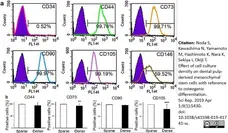
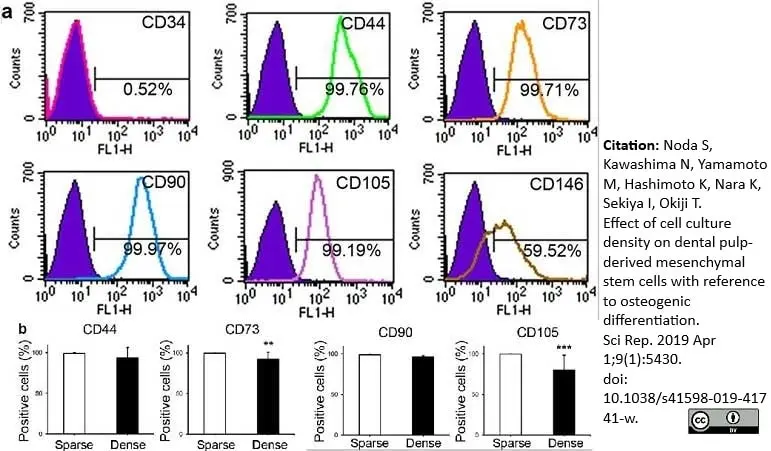
Mouse anti Human CD90 antibody, clone F15-42-1 (MCA90) used for the evaluation of CD90 expression on dental pulp derived cells by flow cytometry.
Image caption:
Cell surface markers. (a) Cell surface markers before separation into sparse (sDPSCs) and dense (dDPSCs) groups. A representative case among seven donors is shown. (b) MSC marker expression in sparse (sDPSCs) and dense (dDPSCs) groups. **p = 0.0079 and ***p = 0.0006 (Mann-Whitney U test). The error bar is SD (n = 7). Solid colored histograms represent IgGκ treated cells for control, and open colored histograms represent fluorophore labeled antibody treated cells.
From: Noda S, Kawashima N, Yamamoto M, Hashimoto K, Nara K, Sekiya I, Okiji T.
Effect of cell culture density on dental pulp-derived mesenchymal stem cells with reference to osteogenic differentiation.
Sci Rep. 2019 Apr 1;9(1):5430.
This image is from an open access article distributed under the terms of the Creative Commons Attribution License.
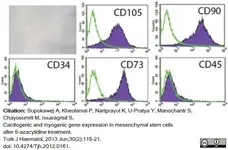
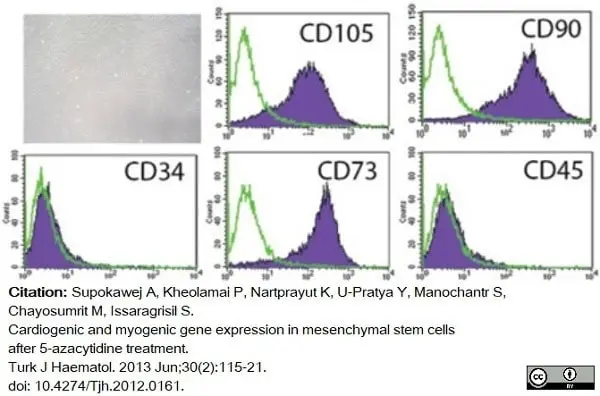
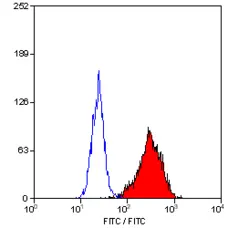
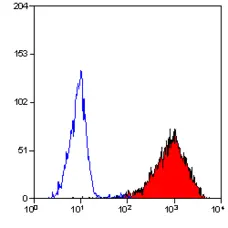
FITC conjugated Mouse anti Human CD90 antibody, clone F15-42-1 (MCA90F) used to evaluate expression of mesenchymal stem cell markers in vitro by flow cytometry.
Image caption:
In culture, MSCs presented a spindle-shaped and fibroblast-like morphology. Various cell surface markers were analyzed by flow cytometry; positive results were obtained for CD73, CD90, and CD105 (MSC markers), whereas negative results were obtained for CD34 and CD45 (hematopoietic markers).
From: Supokawej A, Kheolamai P, Nartprayut K, U-Pratya Y, Manochantr S, Chayosumrit M, Issaragrisil S.
Cardiogenic and myogenic gene expression in mesenchymal stem cells after 5-azacytidine treatment.
Turk J Haematol. 2013 Jun;30(2):115-21.
doi: 10.4274/Tjh.2012.0161.
This image is from an open access article distributed under terms of a Creative Commons Attribution License.
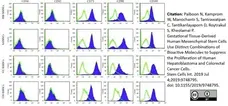
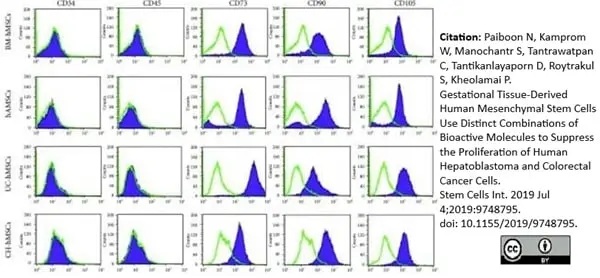
FITC conjugated Mouse anti Human CD90 antibody, clone F15-42-1 (MCA90F) used to evaluate THY-1 expression on human mesenchymal stem cells of differing origin by flow cytometry.
Image caption:
Characteristics of bone marrow- and gestational tissue-derived hMSCs. Immunophenotypes of bone marrow- and gestational tissue-derived hMSCs as determined by flow cytometry.
From: Paiboon N, Kamprom W, Manochantr S, Tantrawatpan C, Tantikanlayaporn D, Roytrakul S, Kheolamai P.
Gestational Tissue-Derived Human Mesenchymal Stem Cells Use Distinct Combinations of Bioactive Molecules to Suppress the Proliferation of Human Hepatoblastoma and Colorectal Cancer Cells.
Stem Cells Int. 2019 Jul 4; 2019: 9748795.
doi: 10.1155/2019/9748795.
This image is from an open access article distributed under terms of a Creative Commons Attribution License.
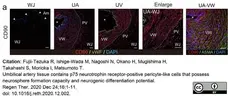
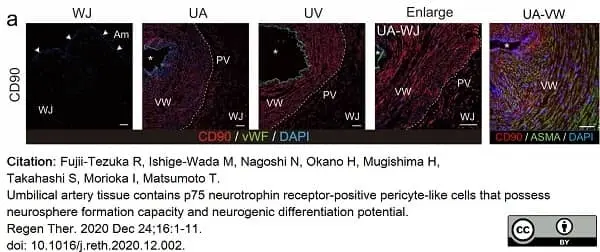
Mouse anti Human CD90 antibody, clone F15-42-1 (MCA90) used to identify CD90 expression on umbilical cord tissue sections by immunofluorescence.
Image caption:
Localization of mesenchymal stromal cell markers in umbilical cords. Umbilical cord samples were stained for CD90 (red). Vascular endothelial cells, vessel wall smooth muscle cells and nuclei were stained for von Willebrand factor (vWF, green), α-smooth muscle actin (ASMA, green), and DAPI (blue), respectively. Asterisks indicate the vascular lumen. Dotted line indicates the border of the vascular wall (VW) and perivascular area (PV) of Wharton's jelly (WJ). Other abbreviations as in Fig. 1. Scale bar: 100 μm.
From: Fujii-Tezuka R, Ishige-Wada M, Nagoshi N, Okano H, Mugishima H, Takahashi S, Morioka I, Matsumoto T.
Umbilical artery tissue contains p75 neurotrophin receptor-positive pericyte-like cells that possess neurosphere formation capacity and neurogenic differentiation potential.
Regen Ther. 2020 Dec 24;16:1-11.
doi: 10.1016/j.reth.2020.12.002.
This image is from an open access article distributed under terms of a Creative Commons Attribution License.
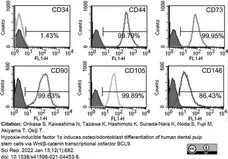
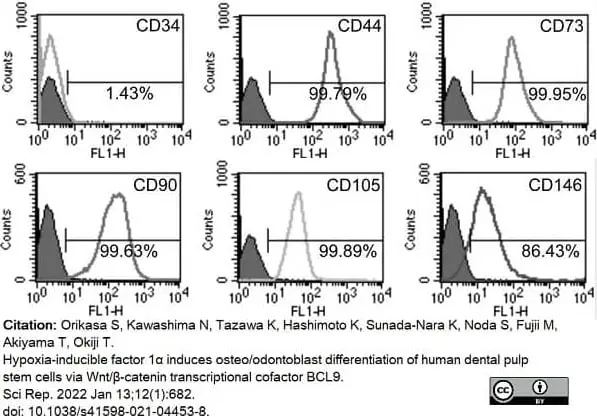
Mouse anti Human CD90 antibody, clone F15-42-1 (MCA90) used to assess CD90 expression on cultured mesenchymal stem cells by flow cytometry.
Image caption:
hDPSCs express typical mesenchymal stem cell (MSC) markers and exhibit multi-differentiation potential. (a) Typical MSC markers (CD44, CD73, CD90, CD105, CD146) are highly expressed in hDPSCs, and hDPSCs are mostly negative for a hematopoietic marker (CD34). hDPSCs possess neurogenic, adipogenic, chondrogenic, and osteogenic differentiation potential, as determined by the expression of neurogenic markers (GFAP and NF-M)
From: Orikasa S, Kawashima N, Tazawa K, Hashimoto K, Sunada-Nara K, Noda S, Fujii M, Akiyama T, Okiji T.
Hypoxia-inducible factor 1α induces osteo/odontoblast differentiation of human dental pulp stem cells via Wnt/β-catenin transcriptional cofactor BCL9.
Sci Rep. 2022 Jan 13;12(1):682.
doi: 10.1038/s41598-021-04453-8.
This image is from an open access article distributed under terms of a Creative Commons Attribution License.
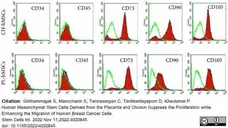
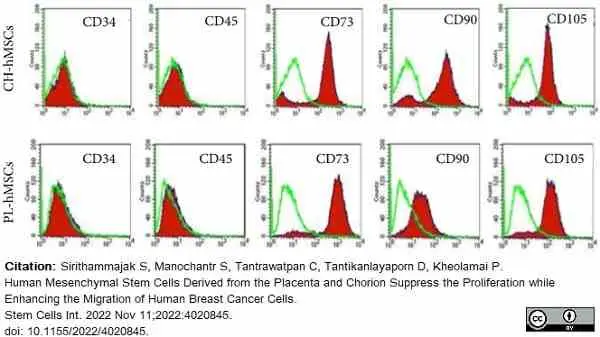
FITC conjugated Mouse anti Human CD90 antibody, clone F15-42-1 (MCA90F) used for phenotype determination of human mesenchymal stem cells from differing sources by flow cytometry.
Image caption:
Characteristics of CH-hMSCs and PL-hMSCs. (b) Immunophenotypes of CH-hMSCs and PL-hMSCs as determined by flow cytometry.
From: Sirithammajak S, Manochantr S, Tantrawatpan C, Tantikanlayaporn D, Kheolamai P.
Human Mesenchymal Stem Cells Derived from the Placenta and Chorion Suppress the Proliferation while Enhancing the Migration of Human Breast Cancer Cells.
Stem Cells Int. 2022 Nov 11;2022:4020845.
doi: 10.1155/2022/4020845.
This image is from an open access article distributed under terms of a Creative Commons Attribution License.
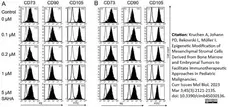
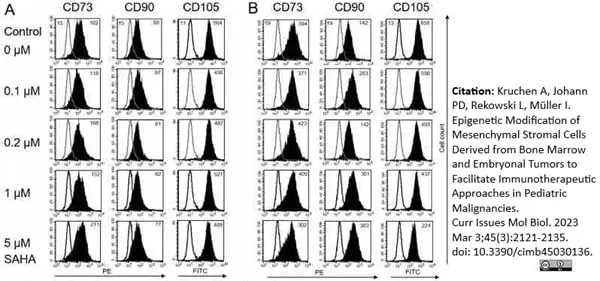
Phycoerythrin conjugated Mouse anti Human CD90 antibody, clone F15-42-1 (MCA90PE) used to evaluate Thy-1 expression on human tumor derived mesenchymal stromal cells by flow cytometry.
Image caption:
Immune phenotype of MSC is not markedly affected by SAHA treatment. (A) Flow cytometric analysis of cell surface markers on T-MSC. T-MSC were treated with SAHA for two days. Isotype controls are depicted in solid lines, and CD73, CD90, and CD105 stainings are depicted in filled histograms. Numbers show the mean fluorescence intensity (MFI). The expression of the surface marker CD73 moderately increased with increasing SAHA concentrations. Expression of CD90 and CD105 was not markedly affected. (B) BM-MSC showed an increased expression of CD90, a reduced expression of CD105 with increasing SAHA concentrations, and an unaltered expression of CD73 up to 1 μM SAHA. SAHA: suberoylanilide hydroxamic acid.
From: Kruchen, A.; Johann, P.-D.; Rekowski, L.; Müller, I.
Epigenetic Modification of Mesenchymal Stromal Cells Derived from Bone Marrow and Embryonal Tumors to Facilitate Immunotherapeutic Approaches in Pediatric Malignancies.
Curr. Issues Mol. Biol. 2023, 45, 2121-35.
doi: 10.3390/cimb45030136
This image is from an open access article distributed under terms of a Creative Commons Attribution License.
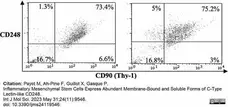
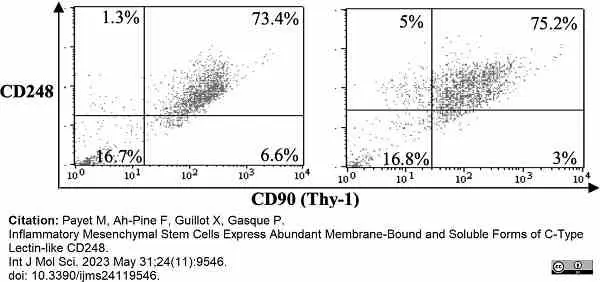
Mouse anti human CD90 antibody, clone F15-42-1 (MCA90) use to evaluate THY-1 expression on synovial mesenchymal stem cells by flow cytometry.
Image caption:
CD248 expression by synovial MSCs from arthritis patients. Synovial fibroblasts were double-stained by flow cytometry with affinity-purified rabbit anti-CD248 and mouse anti-CD90 (Thy-1), followed by RPE-conjugated goat anti-rabbit and FITC-conjugated goat anti-mouse secondary antibodies. The staining was analyzed on a FACSCalibur instrument. The percentage of gated cells in each region is indicated.
From:Payet, M.; Ah-Pine, F.; Guillot, X.; Gasque, P.
Inflammatory Mesenchymal Stem Cells Express Abundant Membrane-Bound and Soluble Forms of C-Type Lectin-like CD248.
Int J Mol Sci. 2023, 24, 9546.
doi: 10.3390/ijms24119546.
This image is from an open access article distributed under terms of a Creative Commons Attribution License.
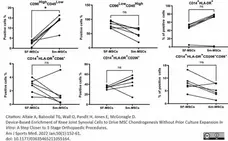
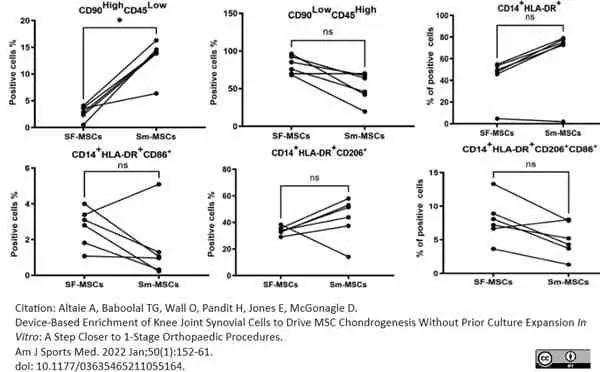
Mouse anti Human CD90 antibody, clone F15-42-1 (MCA90) used to evaluate CD90 expression on human mesenchymal stem cells by flow cytometry.
Image caption:
Surface marker expression of initial aspiration and mobilized joint aspirates: a comparison of relative frequencies of CD90HighCD45Low and macrophage subpopulations in nonexpanded initial aspiration and mobilized joint aspirates (n = 6). ns, not significant. *P <.05. HLA-DR, human leukocyte antigen-DR; MSC, mesenchymal stem cell; SF, synovial fluid; Sm, synovial mobilized.
From: Altaie A, Baboolal TG, Wall O, Pandit H, Jones E, McGonagle D.
Device-Based Enrichment of Knee Joint Synovial Cells to Drive MSC Chondrogenesis Without Prior Culture Expansion In Vitro: A Step Closer to 1-Stage Orthopaedic Procedures.
Am J Sports Med. 2022 Jan;50(1):152-161.
doi: 10.1177/03635465211055164.
This image is from an open access article distributed under terms of a Creative Commons Attribution License.
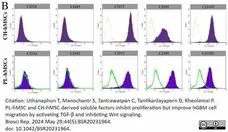
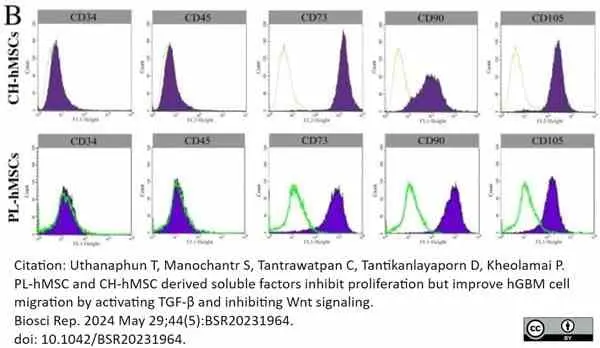
Mouse anti Human CD90 antibody, clone F15-42-1 (MCA90 used to assess CD90 expression on human mesenchymal stem cells by flow cytometry.
Image caption
Characteristics of CH-hMSCs and PL-hMSCs.
B) Immunophenotypes of CH-hMSCs and PL-hMSCs as determined by flow cytometry.
Image caption:
Insert image caption
From: Uthanaphun T, Manochantr S, Tantrawatpan C, Tantikanlayaporn D, Kheolamai P.
PL-hMSC and CH-hMSC derived soluble factors inhibit proliferation but improve hGBM cell migration by activating TGF-β and inhibiting Wnt signaling.
Biosci Rep. 2024 May 29;44(5):BSR20231964.
doi: 10.1042/BSR20231964.
This image is from an open access article distributed under terms of a Creative Commons Attribution License.
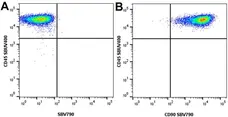
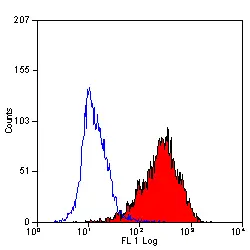
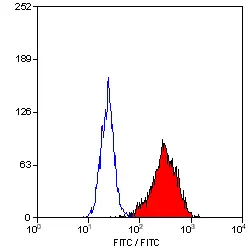
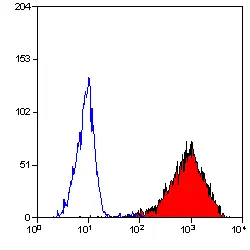
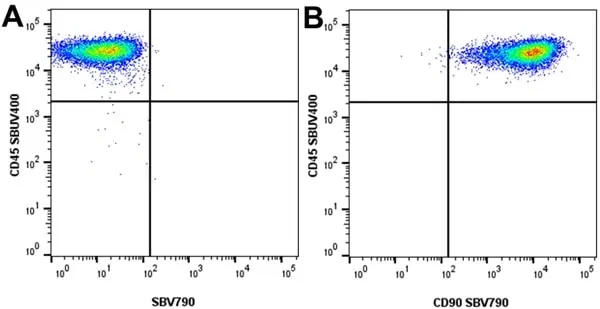
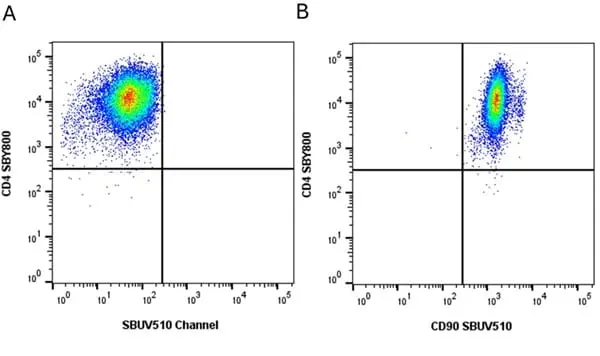
Figure B. StarBright UltraViolet 400 conjugated Mouse anti Human CD45 antibody, clone F10-89-4 (MCA87SBUV400) and StarBright Violet 790 conjugated Mouse anti Human CD90 antibody, clone F15-42-1 (MCA90SBV790). All experiments performed on Jurkat cells, in the presence of 10% human serum.
Data acquired on the ZE5 Cell analyser.
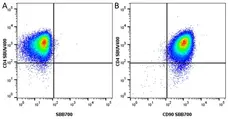
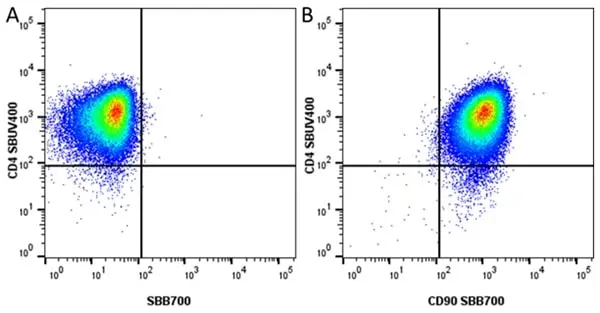
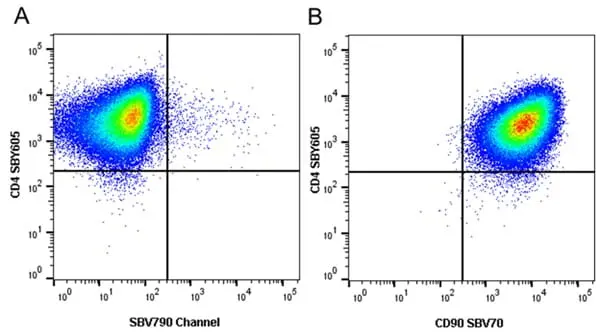
Figure B. StarBright UltraViolet 400 conjugated Mouse anti Human CD4 antibody, clone RPA-T4 (MCA1267SBUV400) and StarBright Blue 700 conjugated Mouse anti Human CD90 antibody, clone F15-42-1 (MCA90SBB700).
All experiments performed on HuT 78 cells gated on live single cells, in the presence of 10% human serum. DData acquired on the ZE5 Cell Analyzer.
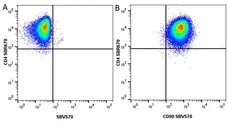
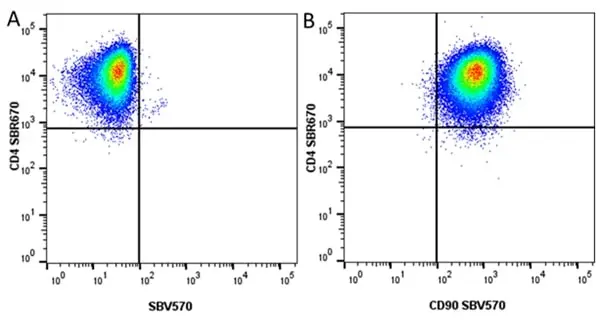
Figure B. StarBright Red 670 conjugated Mouse anti Human CD4 antibody, clone RPA-T4 (MCA1267SBR670) and StarBright Violet 570 conjugated Mouse anti Human CD90 antibody, clone F15-42-1 (MCA90SBV570).
All experiments performed on HuT 78 cells gated on live single cells, in the presence of 10% human serum. Data acquired on the ZE5 Cell Analyzer. Data acquired on the ZE5 Cell analyser.
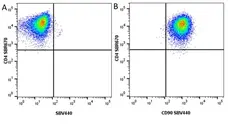
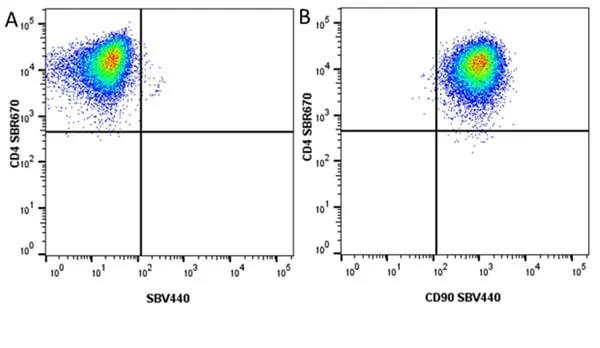
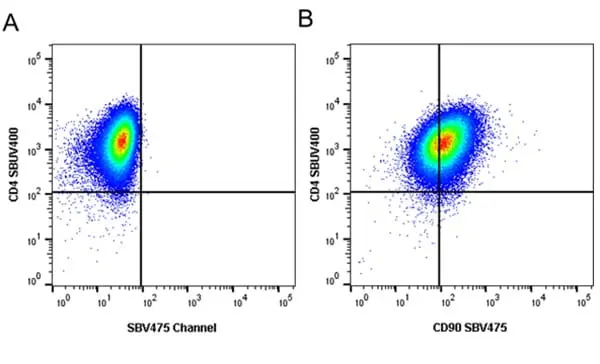
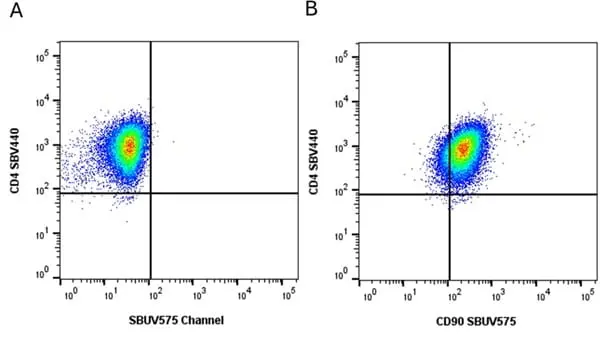
Figure B. StarBright Red 670 conjugated Mouse anti Human CD4 antibody, clone RPA-T4 (MCA1267SBR670) and StarBright Violet 440 conjugated Mouse anti Human CD90 antibody, clone F15-42-1 (MCA90SBV440). All experiments performed on HuT 78 cells gated on live single cells, in the presence of 10% human serum.
Data acquired on the ZE5 Cell analyser.
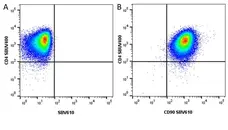
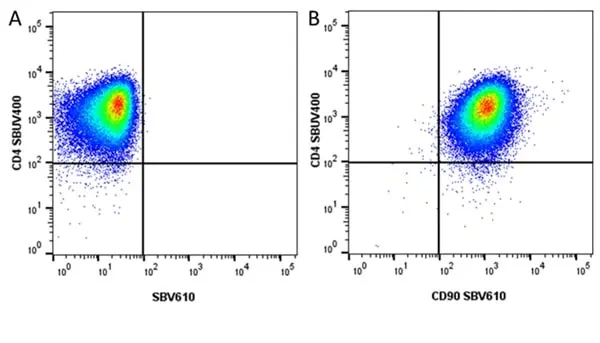
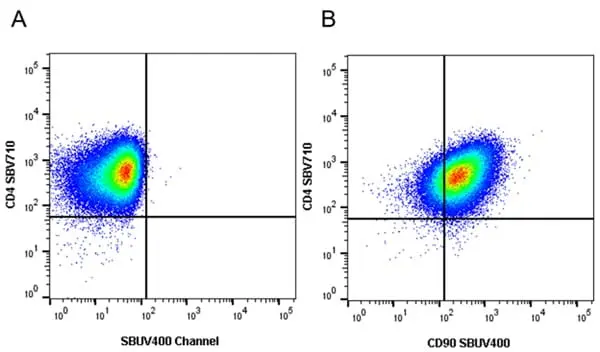
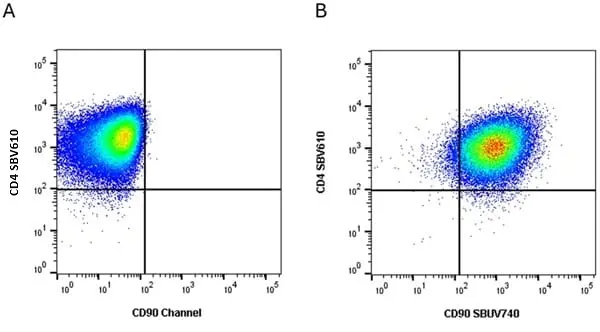
Figure B. StarBright UltraViolet 400 conjugated Mouse anti Human CD4 antibody, clone RPA-T4 (MCA1267SBUV400) and StarBright Violet 610 conjugated Mouse anti Human CD90 antibody, clone F15-42-1 (MCA90SBV610). All experiments performed on HuT 78 cells gated on live single cells, in the presence of 10% human serum.
Data acquired on the ZE5 Cell analyser.
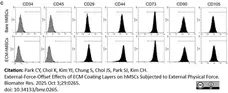
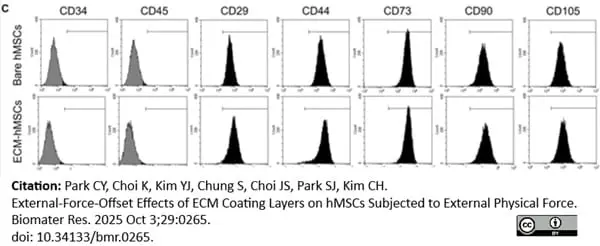
FITC conjugated Mouse anti Human CD90 antibody, clone F15-42-1 (MCA90F) used for the evaluation of phenotype of cultured mesenchymal stem cells by flow cytometry.
Image caption:
The maintenance of stemness of bare hMSCs and ECM-hMSCs. C) Stemness analysis to confirm stem cell characteristics by flow cytometry analysis.
From: Park CY, Choi K, Kim YJ, Chung S, Choi JS, Park SJ, Kim CH.
External-Force-Offset Effects of ECM Coating Layers on hMSCs Subjected to External Physical Force.
Biomater Res. 2025 Oct 3;29:0265.
doi: 10.34133/bmr.0265.
This image is from an open access article distributed under terms of a Creative Commons Attribution License.
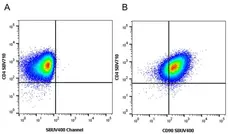
Data acquired on the ZE5 Cell Analyzer.
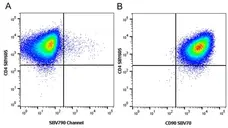
Data acquired on the ZE5 Cell Analyzer.
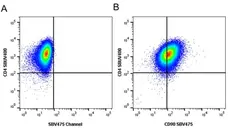
Data acquired on the ZE5 Cell Analyzer.
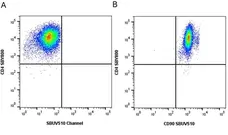
Data acquired on the ZE5 Cell Analyzer.
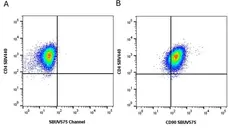
Data acquired on the ZE5 Cell Analyzer.
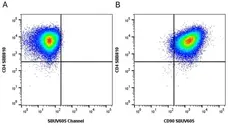
Data acquired on the ZE5 Cell Analyzer.
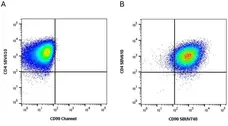
Data acquired on the ZE5 Cell Analyzer.
Filter by Application:
F Reset| Mouse anti Human CD90 antibody, clone F15-42-1 recognizes the human CD90 cell surface antigen, a ~25 kDa glycoprotein homologous to rat Thy1. The antigen is expressed by a subset of CD34+ve cells in the bone marrow and by prothymocytes within the thymus. CD90 is also expressed extensively within the brain. Mouse anti Human CD90 antibody, clone F15-42-1 is routinely tested in flow cytometry on the MOLT4 cell line. |
- Target Species
- Human
- Species Cross-Reactivity
-
Target Species Cross Reactivity Cynomolgus monkey - N.B. Antibody reactivity and working conditions may vary between species.
- Product Form
- Purified IgG conjugated to StarBright Violet 610 - liquid
- Preparation
- Purified IgG prepared by affinity chromatography on Protein A from tissue culture supernatant
- Buffer Solution
- Phosphate buffered saline
- Preservative Stabilisers
- 0.09% Sodium Azide (NaN3)
1% Bovine Serum Albumin
0.1% Pluronic F68
0.1% PEG 3350
0.05% Tween 20 - Immunogen
- Purified human brain Thy-1.
- Approx. Protein Concentrations
- For information on the concentration of our StarBright Dye conjugated reagents please visit our FAQ page.
- Fusion Partners
- Spleen cells from immunized BALB/c mice were fused with cells of the mouse NS-1 myeloma cell line.
- Max Ex/Em
-
Fluorophore Excitation Max (nm) Emission Max (nm) StarBright Violet 610 403 607 - Regulatory
- For research purposes only
- Guarantee
- 12 months from date of despatch
- Acknowledgements
- This product is covered by U.S. Patent No. 10,150,841 and related U.S. and foreign counterparts
This product is shipped at ambient temperature.
Store at +4°C. DO NOT FREEZE.
This product should be stored undiluted.
This product is photosensitive and should be stored protected from light.
Store at +4°C. DO NOT FREEZE.
This product should be stored undiluted.
This product is photosensitive and should be stored protected from light.
This product has been reported to work in the following applications. This information is derived from testing within our laboratories, peer-reviewed publications or personal communications from the originators. Please refer to references indicated for further information. For general protocol recommendations, please visit the antibody protocols page.
| Application Name | Verified | Min Dilution | Max Dilution |
|---|---|---|---|
| Flow Cytometry 1 |  |
Neat |
- 1Staining at lower temperatures generally requires longer incubation to reach antibody binding equilibrium, and this effect is more pronounced for StarBright Dyes due to their larger size. For optimum staining, Bio-Rad recommends incubating samples either overnight at 4°C or 1 hour at room temperature.
Where this product has not been tested for use in a particular technique this does not necessarily exclude its use in such procedures. Suggested working dilutions are given as a guide only. It is recommended that the user titrates the product for use in their own system using appropriate negative/positive controls.
- Flow Cytometry
- Use 5μl of the suggested working dilution to label 0.5x10⁶ cells in 100μl. Best practices suggest a 5 min centrifugation at 6,000g prior to sample application.
How to Use the Spectraviewer
Watch the Tool Tutorial Video ▸- Start by selecting the application you are interested in, with the option to select an instrument from the drop down menu or create a customized instrument
- Select the fluorophores or fluorescent proteins you want to include in your panel to check compatibility
- Select the lasers and filters you wish to include
- Select combined or multi-laser view to visualize the spectra
| Description | Product Code | Applications | Pack Size | List Price | Your Price | Quantity | |
|---|---|---|---|---|---|---|---|
| Human Seroblock | BUF070A | F | 50 Test | Log in | |||
| List Price | Your Price | ||||||
| Log in | |||||||
| Description | Human Seroblock | ||||||
| Human Seroblock | BUF070B | F | 200 Test | Log in | |||
| List Price | Your Price | ||||||
| Log in | |||||||
| Description | Human Seroblock | ||||||
Source Reference
-
McKenzie, J.L. & Fabre, J.W. (1981) Human thy-1: unusual localization and possible functional significance in lymphoid tissues.
J Immunol. 126 (3): 843-50.
References for CD90 antibody
-
Daar, A.S. & Fabre, J.W. (1981) Demonstration with monoclonal antibodies of an unusual mononuclear cell infiltrate and loss of normal epithelial membrane antigens in human breast carcinomas.
Lancet. 2 (8244): 434-8. -
Fiegel, H.C. et al. (2004) Stem-like cells in human hepatoblastoma.
J Histochem Cytochem. 52 (11): 1495-501. -
Hagood, J.S. et al. (2005) Loss of fibroblast Thy-1 expression correlates with lung fibrogenesis.
Am J Pathol. 167 (2): 365-79. -
Tome, M. et al. (2007) Calponin is expressed by subpopulations of connective tissue cells but not olfactory ensheathing cells in the neonatal olfactory mucosa.
BMC Neurosci. 8: 74. -
Diaz-Romero, J. et al. (2008) Immunophenotypic changes of human articular chondrocytes during monolayer culture reflect bona fide dedifferentiation rather than amplification of progenitor cells.
J Cell Physiol. 214: 75-83. -
Pessina, A. et al. (2010) CD45+/CD133+ positive cells expanded from umbilical cord blood expressing PDX-1 and markers of pluripotency.
Cell Biol Int. 34: 783-90. -
Manochantr, S. et al. (2010) Isolation, characterization and neural differentiation potential of amnion derived mesenchymal stem cells.
J Med Assoc Thai. 93 Suppl 7: S183-91. -
Karlsen, T.A. et al. (2010) Human primary articular chondrocytes, chondroblasts-like cells, and dedifferentiated chondrocytes: differences in gene, microRNA, and protein expression and phenotype.
Tissue Eng Part C Methods. 17: 219-27.
View The Latest Product References
-
Hauser, P.V. et al. (2010) Stem cells derived from human amniotic fluid contribute to acute kidney injury recovery.
Am J Pathol. 177: 2011-21. -
Yin, S. et al. (2010) Chondrogenic transdifferentiation of human dermal fibroblasts stimulated with cartilage-derived morphogenetic protein 1.
Tissue Eng Part A. 16: 1633-43. -
Gieseke, F. et al. (2010) Human multipotent mesenchymal stromal cells use galectin-1 to inhibit immune effector cells.
Blood. 116: 3770-9. -
Holzwarth, C. et al. (2010) Low physiologic oxygen tensions reduce proliferation and differentiation of human multipotent mesenchymal stromal cells.
BMC Cell Biol. 11:11 -
Meng, J. et al (2011) Contribution of human muscle-derived cells to skeletal muscle regeneration in dystrophic host mice.
PLoS One. 6: e17454. -
Cizeau, J. et al. (2011) Fusogenics: a recombinant immunotoxin-based screening platform to select internalizing tumor-specific antibody fragments.
J Biomol Screen. 16: 90-100. -
Cox, G. et al. (2011) The use of the reamer-irrigator-aspirator to harvest mesenchymal stem cells.
J Bone Joint Surg Br. 93: 517-24. -
Shafaei, H. et al. (2011) Effects of human placental serum on proliferation and morphology of human adipose tissue-derived stem cells.
Bone Marrow Transplant. 46: 1464-71. -
Paul, G. et al. (2012) The adult human brain harbors multipotent perivascular mesenchymal stem cells.
PLoS One. 7: e35577. -
Supokawej, A. et al. (2013) Cardiogenic and myogenic gene expression in mesenchymal stem cells after 5-azacytidine treatment.
Turk J Haematol. 30 (2): 115-21. -
Escobar, C.H. & Chaparro, O. (2016) Xeno-Free Extraction, Culture, and Cryopreservation of Human Adipose-Derived Mesenchymal Stem Cells.
Stem Cells Transl Med. 5 (3): 358-65. -
Shinoda, K. et al. (2016) Thy1+IL-7+ lymphatic endothelial cells in iBALT provide a survival niche for memory T-helper cells in allergic airway inflammation.
Proc Natl Acad Sci U S A. 113 (20): E2842-51. -
Kamprom, W. et al. (2016) Endothelial Progenitor Cell Migration-Enhancing Factors in the Secretome of Placental-Derived Mesenchymal Stem Cells.
Stem Cells Int. 2016: 2514326. -
Vaquero, J. et al. (2016) An approach to personalized cell therapy in chronic complete paraplegia: The Puerta de Hierro phase I/II clinical trial.
Cytotherapy. 18 (8): 1025-36. -
Zhang, X. et al. (2017) Regeneration of hyaline-like cartilage in situ with SOX9 stimulation of bone marrow-derived mesenchymal stem cells.
PLoS One. 12 (6): e0180138. -
Garikipati, V. N.S. et al. (2018) Isolation and characterization of mesenchymal stem cells from human fetus heart.
PLoS One. 13 (2): e0192244. -
Chaturvedi, C.P. et al. (2018) Altered Expression of Hematopoiesis Regulatory Molecules in Lipopolysaccharide-Induced Bone Marrow Mesenchymal Stem Cells of Patients with Aplastic Anemia.
Stem Cells Int. 2018: 6901761. -
Noda, S. et al. (2019) Effect of cell culture density on dental pulp-derived mesenchymal stem cells with reference to osteogenic differentiation.
Sci Rep. 9 (1): 5430. -
Song, H. et al. (2019) MIF/CD74 axis participates in inflammatory activation of Schwann cells following sciatic nerve injury.
J Mol Histol. 50 (4): 355-67. -
Paiboon, N. et al. (2019) Gestational Tissue-Derived Human Mesenchymal Stem Cells Use Distinct Combinations of Bioactive Molecules to Suppress the Proliferation of Human Hepatoblastoma and Colorectal Cancer Cells.
Stem Cells Int. 2019: 9748795. -
Sanjurjo-Rodriguez, C. et al. (2020) Gene Expression Signatures of Synovial Fluid Multipotent Stromal Cells in Advanced Knee Osteoarthritis and Following Knee Joint Distraction.
Front Bioeng Biotechnol. 8: 579751. -
Fujii-Tezuka, R. et al. (2021) Umbilical artery tissue contains p75 neurotrophin receptor-positive pericyte-like cells that possess neurosphere formation capacity and neurogenic differentiation potential.
Regen Ther. 16: 1-11. -
Orikasa, S. et al. (2022) Hypoxia-inducible factor 1α induces osteo/odontoblast differentiation of human dental pulp stem cells via Wnt/β-catenin transcriptional cofactor BCL9.
Sci Rep. 12 (1): 682. -
Sirithammajak, S. et al. (2022) Human Mesenchymal Stem Cells Derived from the Placenta and Chorion Suppress the Proliferation while Enhancing the Migration of Human Breast Cancer Cells.
Stem Cells Int. 2022: 4020845. -
Arenal, Á. et al. (2022) Effects of Cardiac Stem Cell on Postinfarction Arrhythmogenic Substrate.
Int J Mol Sci. 23 (24): 16211. -
Kruchen, A. et al. (2023) Epigenetic Modification of Mesenchymal Stromal Cells Derived from Bone Marrow and Embryonal Tumors to Facilitate Immunotherapeutic Approaches in Pediatric Malignancies.
Curr Issues Mol Biol. 45 (3): 2121-35. -
Payet, M. et al. (2023) Inflammatory Mesenchymal Stem Cells Express Abundant Membrane-Bound and Soluble Forms of C-Type Lectin-like CD248.
Int J Mol Sci. 24 (11): 9546. -
Tiraihi, T. et al. (2023) A Sequential Culturing System for Generating Epithelial-Like Stem Cells from Human Mesenchymal Stem Cells Derived from Adipose Tissue
Cell Tissue Biol. 17 (6): 639-52. -
Tripathy, N.K. et al. (2018) Cardiomyogenic Heterogeneity of Clonal Subpopulations of Human Bone Marrow Mesenchymal Stem Cells.
J Stem Cells Regen Med. 14 (1): 27-33. -
Altaie, A. et al. (2022) Device-Based Enrichment of Knee Joint Synovial Cells to Drive MSC Chondrogenesis Without Prior Culture Expansion In Vitro: A Step Closer to 1-Stage Orthopaedic Procedures.
Am J Sports Med. 50 (1): 152-161. -
Uthanaphun, T. et al. (2024) PL-hMSC and CH-hMSC derived soluble factors inhibit proliferation but improve hGBM cell migration by activating TGF-β and inhibiting Wnt signaling.
Biosci Rep.44(5):BSR20231964. [Epub ahead of print]. -
Park, C.Y. et al. (2025) External-Force-Offset Effects of ECM Coating Layers on hMSCs Subjected to External Physical Force.
Biomater Res. 29: 0265. -
Campbell, T.M. et al. (2025) Capsular stem cell function and tissue composition are associated with symptoms and radiographic severity in people with knee osteoarthritis.
Ther Adv Musculoskelet Dis. 17: 1759720X251321941.
- Synonyms
- THY1
- RRID
- AB_2943404
- UniProt
- P04216
- Entrez Gene
- THY1
- GO Terms
- GO:0001525 angiogenesis
- GO:0007010 cytoskeleton organization
- GO:0005783 endoplasmic reticulum
- GO:0005100 Rho GTPase activator activity
- GO:0005887 integral to plasma membrane
- GO:0005178 integrin binding
- GO:0006469 negative regulation of protein kinase activity
- GO:0016337 cell-cell adhesion
- GO:0030336 negative regulation of cell migration
- View More GO Terms
- GO:0030426 growth cone
- GO:0034235 GPI anchor binding
- GO:0043547 positive regulation of GTPase activity
- GO:0045121 membrane raft
- GO:0046549 retinal cone cell development
- GO:0048041 focal adhesion assembly
- GO:0050771 negative regulation of axonogenesis
- GO:0050852 T cell receptor signaling pathway
- GO:0050860 negative regulation of T cell receptor signaling pathway
- GO:0050870 positive regulation of T cell activation
- GO:0051281 positive regulation of release of sequestered calcium ion into cytosol
MCA90SBV610
 100008200
If you cannot find the batch/lot you are looking for please contact our technical support team for assistance.
View more products with CD90 specificity
Please Note: All Products are "FOR RESEARCH PURPOSES ONLY"
View all Anti-Human ProductsAlways be the first to know.
When we launch new products and resources to help you achieve more in the lab.
Yes, sign me up