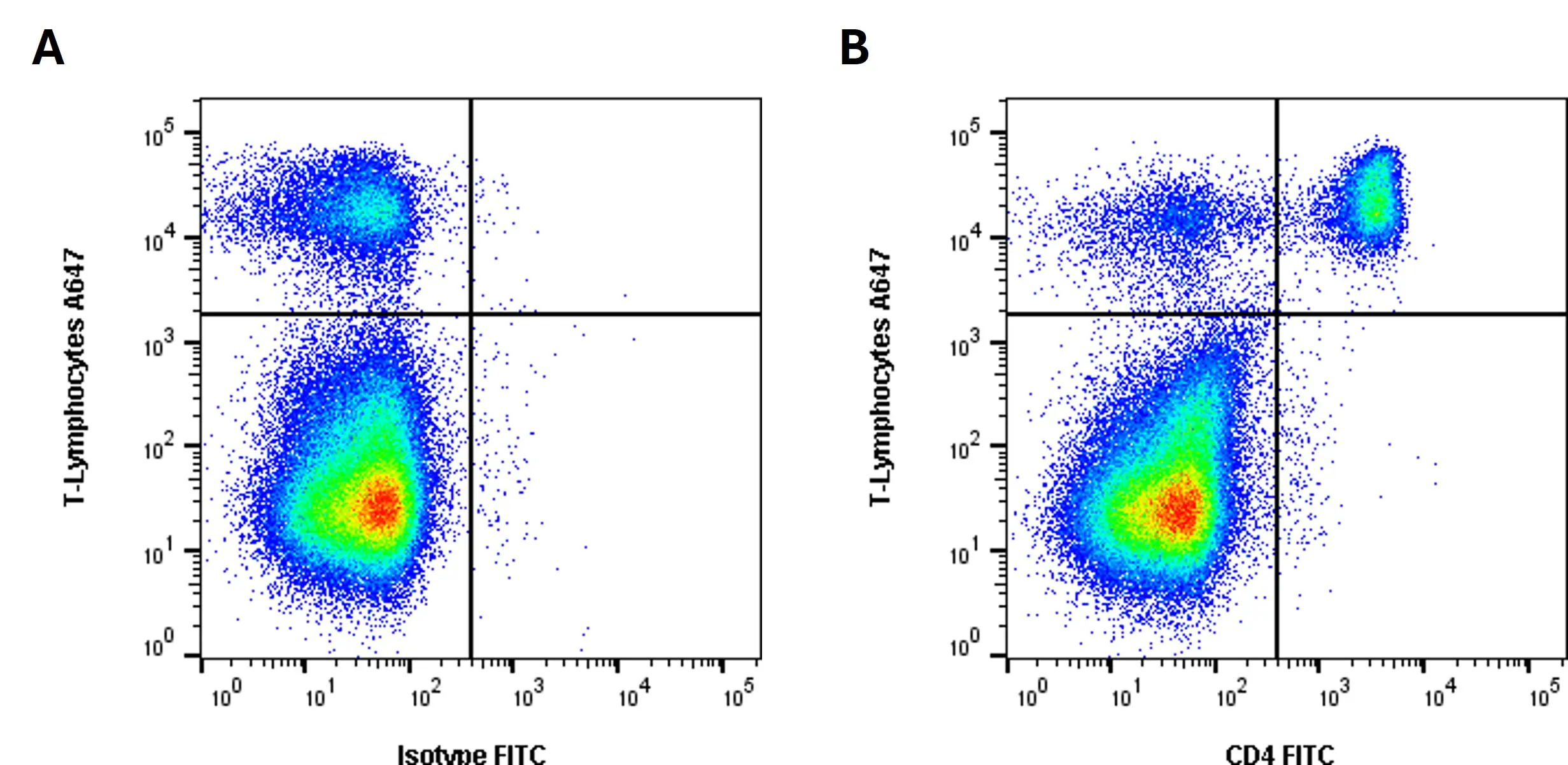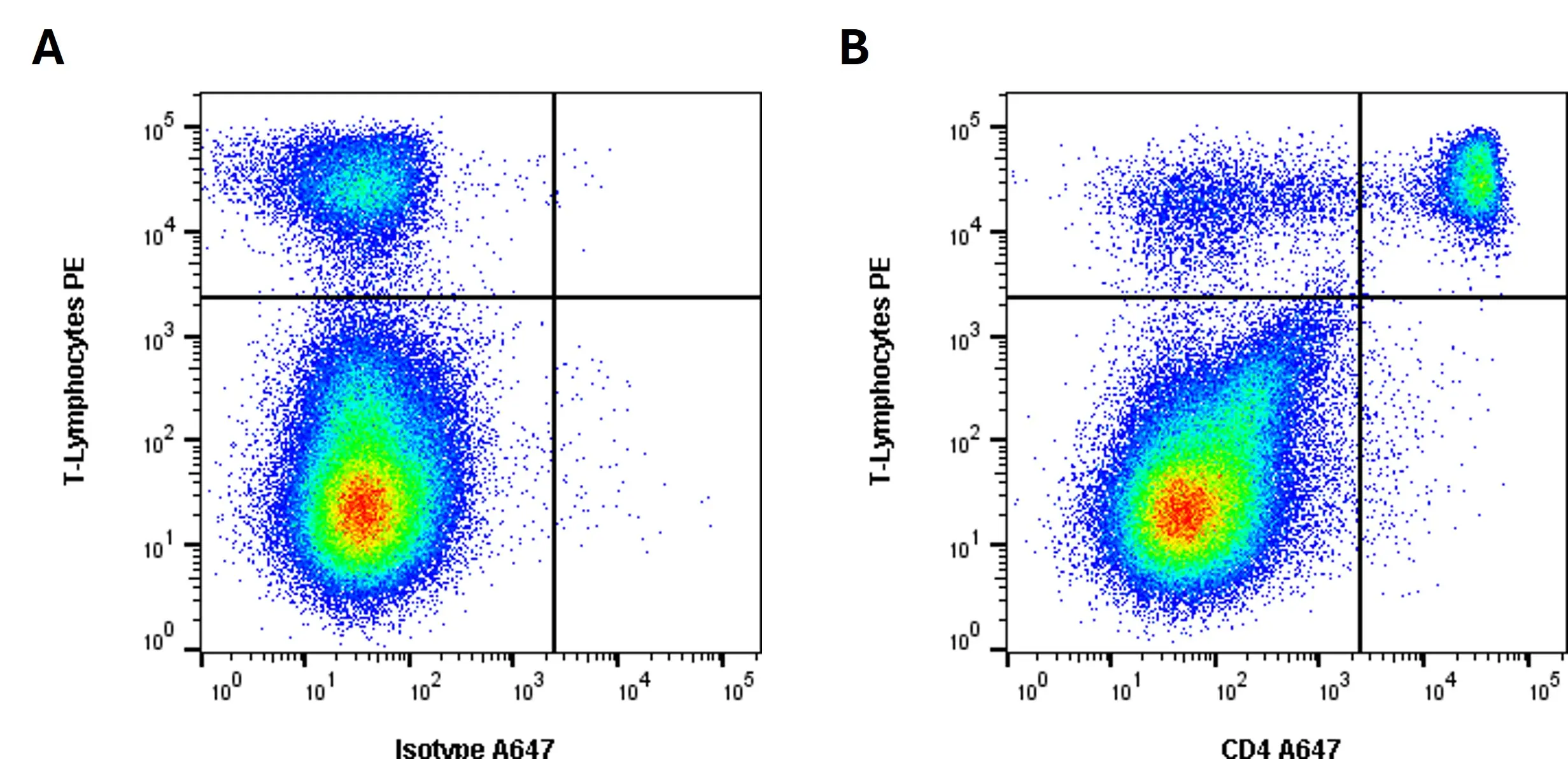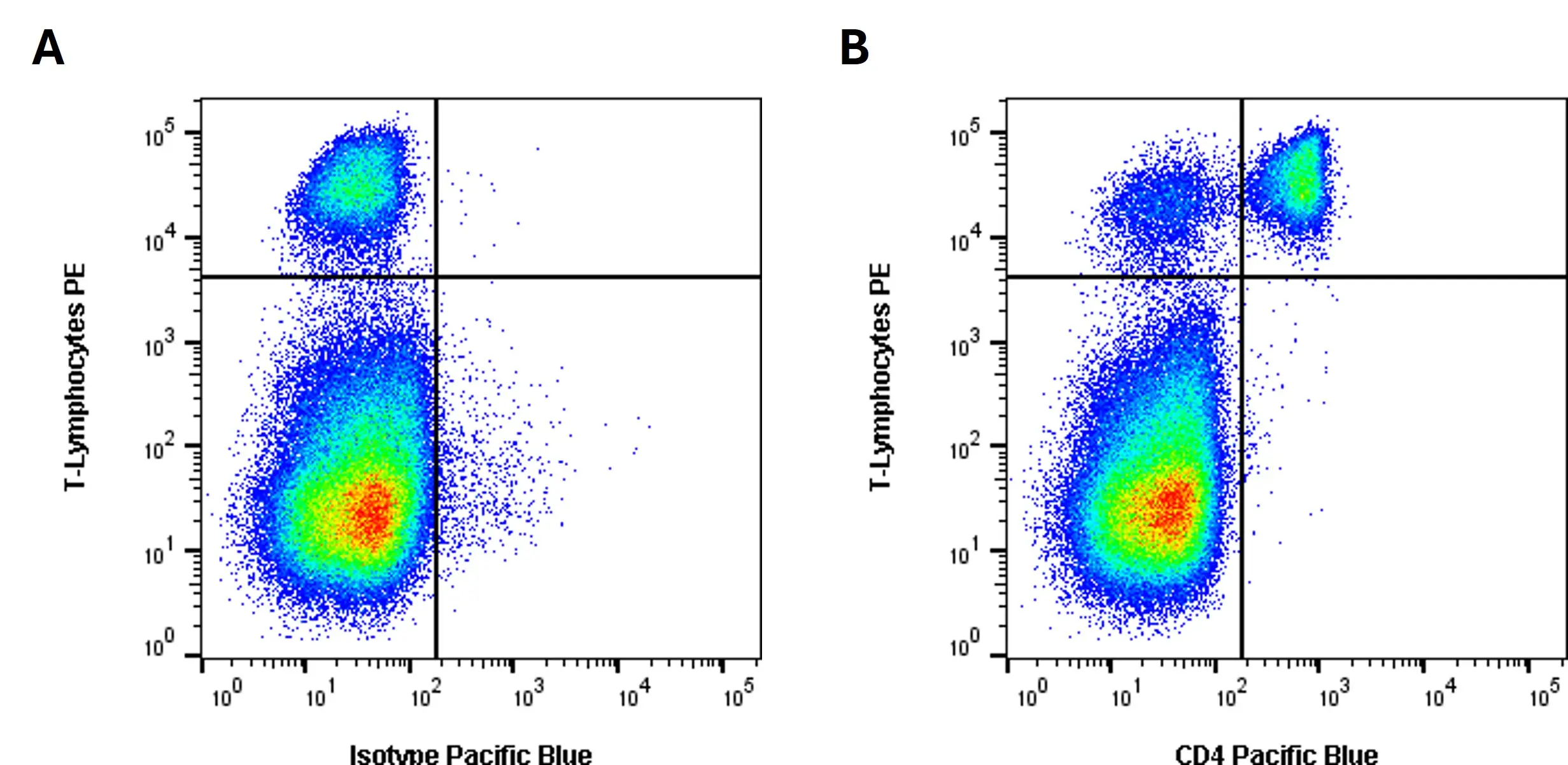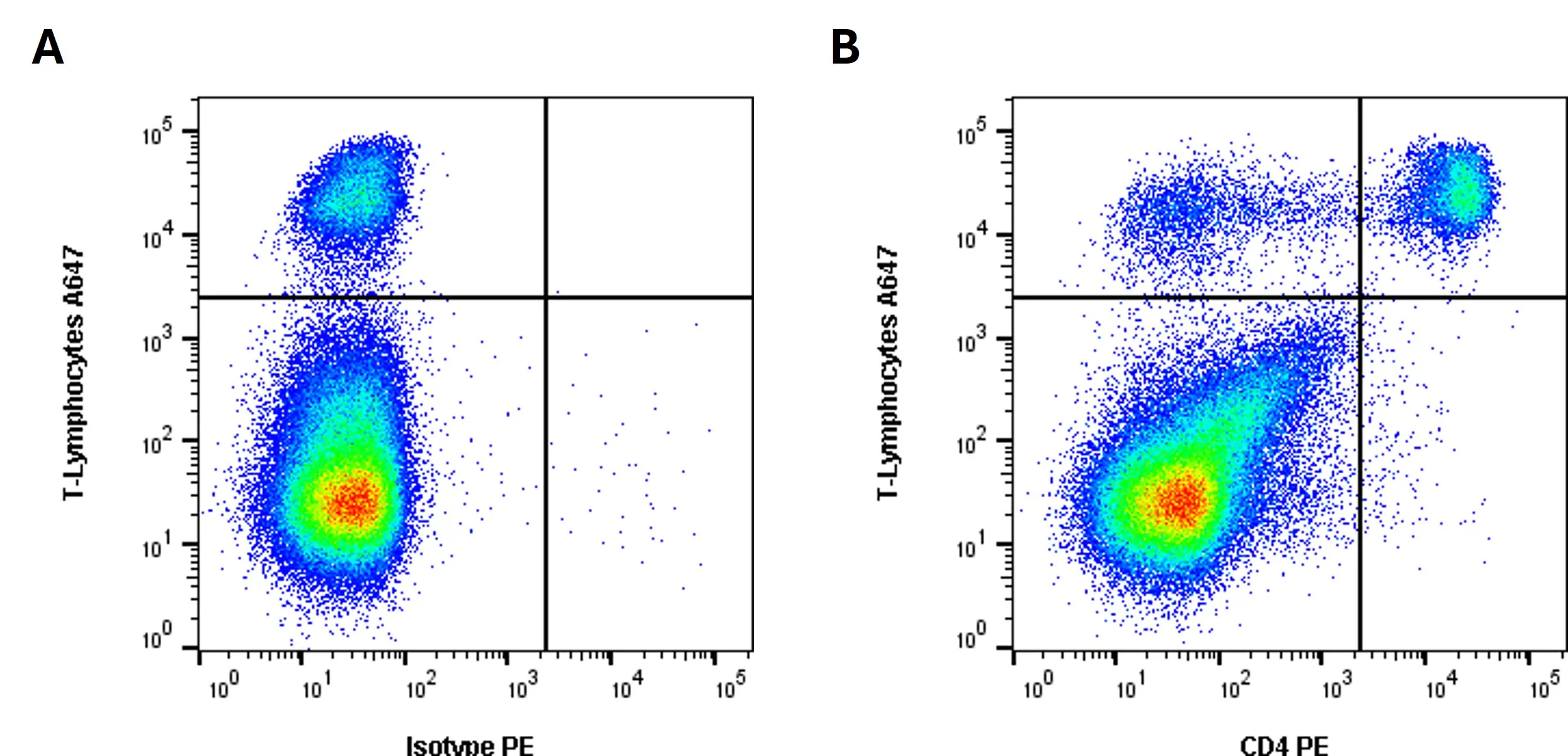
CD4 antibody | KEN-4
Mouse anti Rabbit CD4:Alexa Fluor® 647
- Product Type
- Monoclonal Antibody
- Clone
- KEN-4
- Isotype
- IgG2a
- Specificity
- CD4
 Antibody Quality and Performance Guarantee


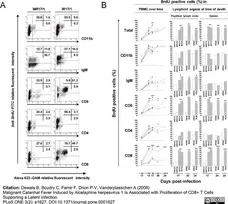
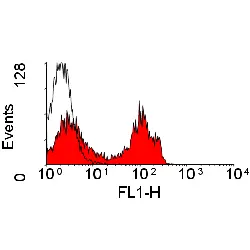
Mouse anti Rabbit CD4 antibody, clone KEN-4 (MCA799GA) used to assess CD4 expression levels on rabbit mononuclear cells by flow cytometry.
Image caption:
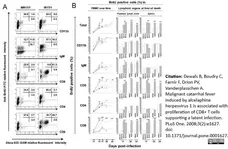
Analysis of in vivo BrdU incorporation.
Rabbits were treated as described in Fig. 1. PBMCs were collected at days 11, 15, 17, 20 and 24 post-inoculation, while mononuclear cells were isolated from popliteal lymph node and spleen at the time of death. Cells were labelled with anti-CD11b, IgM, CD5, CD4 and CD8 mAbs as the primary antibodies. Alexa 633-GAM was used as the secondary antibody. In vivo BrdU incorporation was revealed by immunofluorescent staining as described in Methods. After staining, cells were analysed by flow cytometry. A. Representative flow cytometry dot plots are shown for each double staining, they illustrate the data obtained at day 17 post-infection for the PBMC of rabbits MR17/1 and IR17/1. The data represent the percentages of BrdU positive cells (y-axis) calculated based on the acquisition of 10,000 cells expressing the indicated cell marker (x-axis). B. The percentage of BrdU positive cells amongst the indicated cellular subset was determined and compared between AlHV-1 infected (left column: bold lines; middle and right columns: hatched bars) and mock infected (left column: dotted lines; middle and right columns: open bars) groups (* P<0.05; **P<0.005, *** P<0.0001). In the left column the following symbols were used: ▴, MR17/1 and IR17/1; ▭, MR17/2 and IR17/2; ●, MR20 and IR20; ○, MR24 and IR24.
From: Dewals B, Boudry C, Farnir F, Drion P-V, Vanderplasschen A (2008)
Malignant Catarrhal Fever Induced by Alcelaphine herpesvirus 1 Is Associated with Proliferation of CD8+ T Cells Supporting a Latent Infection.
PLoS ONE 3(2): e1627.
This image is from an open access article distributed under terms of a Creative Commons Attribution License.
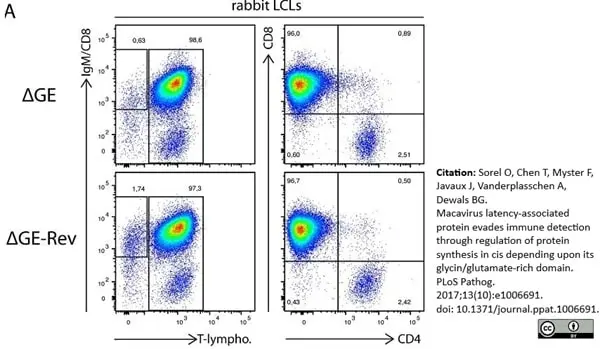
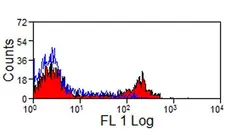
Mouse anti Rabbit CD4 antibody, clone KEN-4 (MCA799GA) used for the evaluation of rabbit lymphoblastoid phenotype by flow cytometry
Image caption:
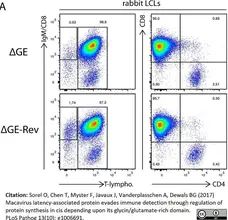
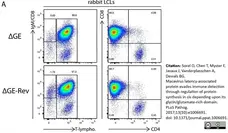
Lymphoblastoid cell lines (LCLs) phenotypic analysis.
LCLs were propagated from peripheral blood mononuclear cells of rabbits developing MCF after infection with ΔGE or ΔGE-rev viruses in Iscove’s modified Dulbecco’s medium (IMDM) containing 10% FCS and supplemented with recombinant human interleukin 2 (Roche, 10 IU/mL). Cells were maintained in medium replaced every 3–4 days and analyzed by flow cytometry for IgM+ B cells, CD8+ T cells and CD4+ T cells after 3 weeks culture (A).
From: Sorel O, Chen T, Myster F, Javaux J, Vanderplasschen A, Dewals BG (2017)
Macavirus latency-associated protein evades immune detection through regulation of protein synthesis in cis depending upon its glycin/glutamate-rich domain.
PLoS Pathog 13(10): e1006691.
This image is from an open access article distributed under the terms of the Creative Commons Attribution License.
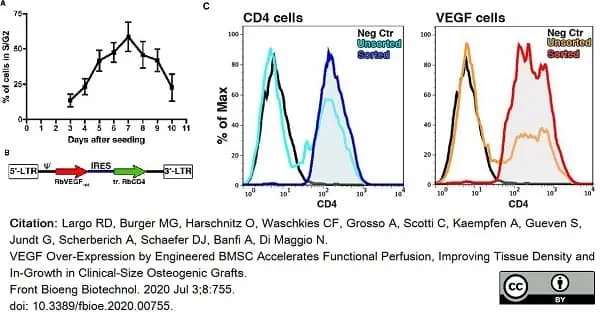
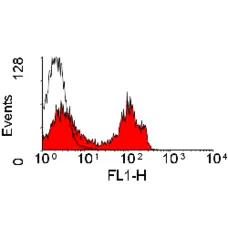
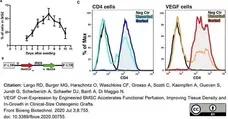
FITC conjugated Mouse anti Rabbit CD4 antibody, clone KEN-4 (MCA799F) used to assess levels of rBMSC by flow cytometry.
Image caption:
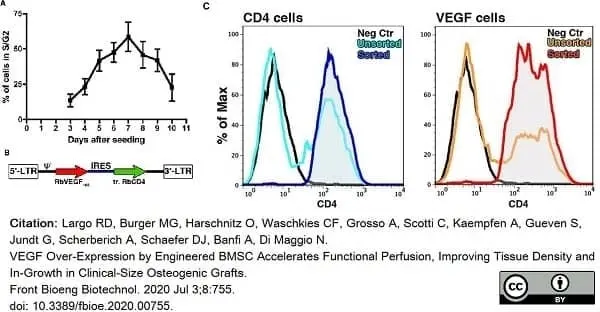
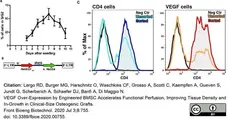
(A) Assessment by flow cytometry of the proportion of cells in active proliferation (S/G2 phases) at different time points after initial plating (n = 3). (B) Map of the bicistronic retroviral vector carrying the coding sequences of rabbit VEGF165 (rVEGF165) and of a truncated version of rabbit CD4 (tr.rCD4) linked through an Internal Ribosomal Entry Sequence (IRES). (C) Representative FACS plots for transduced rBMSC (light blue and orange plots) and FACS purified populations (blue and red plots) stained for CD4 as a marker of transduction; Isotype controls = black plots.
From: Largo RD, Burger MG, Harschnitz O, Waschkies CF, Grosso A, Scotti C, Kaempfen A, Gueven S, Jundt G, Scherberich A, Schaefer DJ, Banfi A, Di Maggio N.
VEGF Over-Expression by Engineered BMSC Accelerates Functional Perfusion, Improving Tissue Density and In-Growth in Clinical-Size Osteogenic Grafts.
Front Bioeng Biotechnol. 2020 Jul 3;8:755.
doi: 10.3389/fbioe.2020.00755.
This image is from an open access article distributed under terms of a Creative Commons Attribution License.
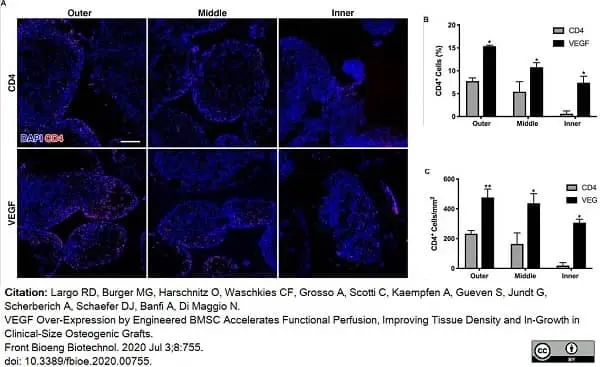
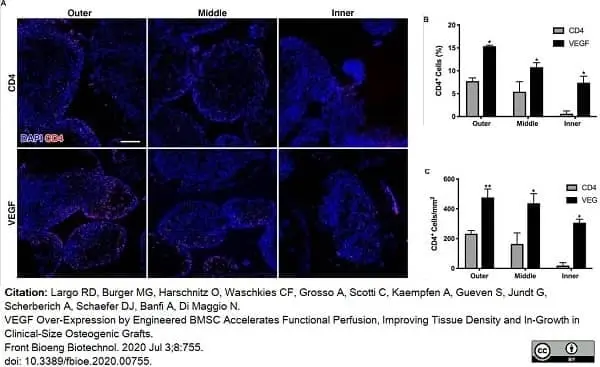
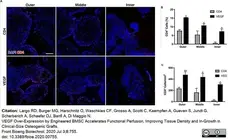
FITC conjugated Mouse anti Rabbit CD4 antibody, clone KEN-4 (MCA799F) used to assess levels of rBMSC by flow cytometry.
Image caption:
Representative immunofluorescence images from the outer, middle and inner layers of graft sections stained for rbCD4 (red) to detect the seeded progenitors and counterstained with DAPI (blue) to label nuclei (size bar = 100 μm); (B,C) quantification of the number of CD4+ cells, expressed as percentage (%) of the total cell number (B) and as absolute number per mm2 of tissue area (C) in each layer (n = 4, *p <0.05, **p <0.01).
From: Largo RD, Burger MG, Harschnitz O, Waschkies CF, Grosso A, Scotti C, Kaempfen A, Gueven S, Jundt G, Scherberich A, Schaefer DJ, Banfi A, Di Maggio N.
VEGF Over-Expression by Engineered BMSC Accelerates Functional Perfusion, Improving Tissue Density and In-Growth in Clinical-Size Osteogenic Grafts.
Front Bioeng Biotechnol. 2020 Jul 3;8:755.
doi: 10.3389/fbioe.2020.00755.
This image is from an open access article distributed under terms of a Creative Commons Attribution License.
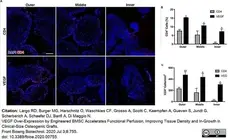
FITC conjugated Mouse anti Rabbit CD4 antibody, clone KEN-4 (MCA799F) used to assess levels of rBMSC by flow cytometry.
Image caption:
Representative immunofluorescence images from the outer, middle and inner layers of graft sections stained for rbCD4 (red) to detect the seeded progenitors and counterstained with DAPI (blue) to label nuclei (size bar = 100 μm); (B,C) quantification of the number of CD4+ cells, expressed as percentage (%) of the total cell number (B) and as absolute number per mm2 of tissue area (C) in each layer (n = 4, *p <0.05, **p <0.01).
From: Largo RD, Burger MG, Harschnitz O, Waschkies CF, Grosso A, Scotti C, Kaempfen A, Gueven S, Jundt G, Scherberich A, Schaefer DJ, Banfi A, Di Maggio N.
VEGF Over-Expression by Engineered BMSC Accelerates Functional Perfusion, Improving Tissue Density and In-Growth in Clinical-Size Osteogenic Grafts.
Front Bioeng Biotechnol. 2020 Jul 3;8:755.
doi: 10.3389/fbioe.2020.00755.
This image is from an open access article distributed under terms of a Creative Commons Attribution License.
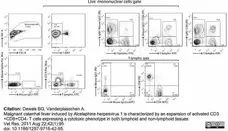
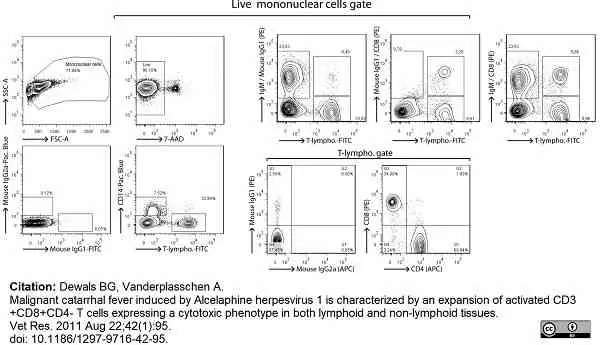
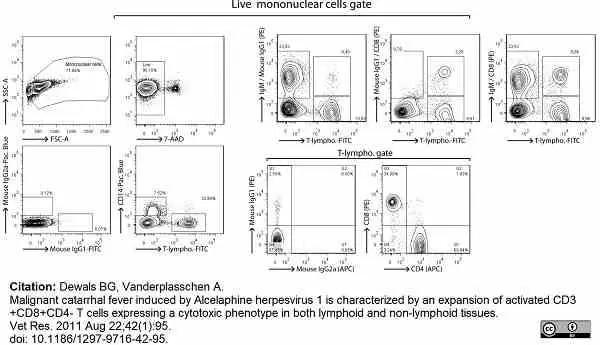
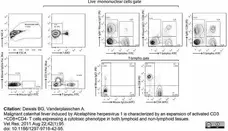
Mouse anti Rabbit CD4 antibody, clone KEN-4, (MCA799GA) used to label lapine CD4+ T lymphocytes for analysis by flow cytometry.
Image caption:
Analysis of rabbit peripheral blood mononuclear cells by multi-colour flow cytometry. PBMC were isolated from K3EDTA-sampled blood of naive rabbits before five-colour flow cytometry analysis. Specific detection of monocytes, B cells and T cell subsets consisted in a 3-step staining procedure. PBMC were first stained with anti-rabbit IgM (or mouse IgG1 isotype control), anti-rabbit CD8 (or mouse IgG1 isotype control) and anti-rabbit CD4 (or mouse IgG2a isotype control). Stainings were revealed with PE-conjugated rat anti-IgG1 or biotinylated rat anti-IgG2a, as secondary staining. Final staining was performed with streptavidin-APC, FITC-conjugated anti-rabbit T lymphocytes (or FITC-conjugated mouse IgG1 isotype control) and anti-human CD14 (or Pacific Blue-conjugated mouse IgG2a isotype control). Live lymphocytes were gated on 7-AAD- cells.
From: Dewals BG, Vanderplasschen A.
Malignant catarrhal fever induced by Alcelaphine herpesvirus 1 is characterized by an expansion of activated CD3+CD8+CD4-
T cells expressing a cytotoxic phenotype in both lymphoid and non-lymphoid tissues.
Vet Res. 2011 Aug 22;42(1):95.
doi: 10.1186/1297-9716-42-95.
This image is from an open access article distributed under terms of a Creative Commons Attribution License.
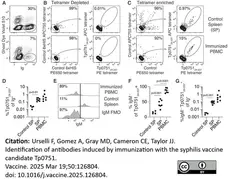
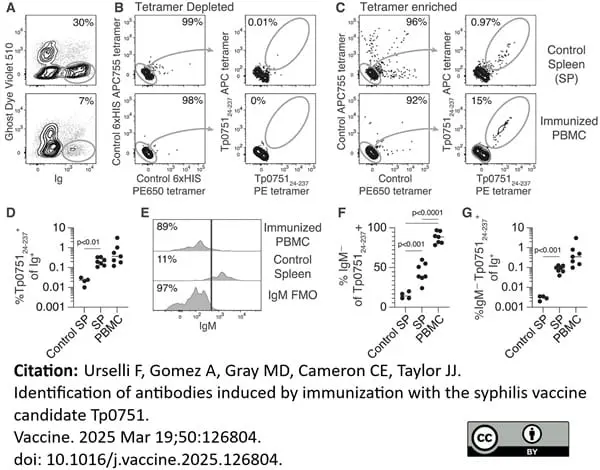
FITC conjugated Mouse anti Rabbit CD4 antibody, clone KEN-4 (MCA799F) used to identify rabbit T helper lymphocytes by flow cytometry as an FMO control.
Image caption:
Representative flow cytometric gating of (A) live Ig+ cells that bind Tp075124–237 PE and APC tetramers but not control 6xHIS PE650 and APC755 tetramers in fractions from PBMC from immunized rabbits or spleen cells from control rabbits (B) depleted or (C) enriched for tetramer-binding B cells using microbeads specific for PE and APC prior to analysis. D. Combined data from three experiments showing the frequency of Tp075124–237 tetramer-binding cells amongst the total Ig+ population for individual rabbits in PBMC seven days after the final immunization, and in the spleen of immunized and control rabbits forty days after T. pallidum challenge. E. Representative flow cytometric gating of IgM− Tp075124–237 tetramer-binding B cells using an FMO control. Of note, cells were stained with antibodies specific for IgM, CD4, and CD8 in the same fluorescent channel but only IgM was left out of the FMO to exclude non-B cells expressing CD8 or CD4 from the population of interest. F. Combined data from three experiments showing the frequency of Tp075124–237 tetramer-binding cells that were IgM− in individual rabbits. G. Combined data from three experiments showing the frequency of IgM− Tp075124–237 tetramer-binding cells amongst the total Ig+ population in individual rabbits. In D, F, and G the lines represent the mean and p values were generated using a two-tailed Student’s t-test.
From: Urselli F, Gomez A, Gray MD, Cameron CE, Taylor JJ.
Identification of antibodies induced by immunization with the syphilis vaccine candidate Tp0751.
Vaccine. 2025 Mar 19;50:126804.
doi: 10.1016/j.vaccine.2025.126804,
This image is from an open access article distributed under terms of a Creative Commons Attribution License.
Filter by Application:
F IF Reset| Mouse anti Rabbit CD4 antibody, clone KEN-4 recognizes the rabbit CD4 cell surface antigen, also known as T-cell surface antigen T4/Leu-3. Rabbit CD4 is a 434 amino acid, with an additional N-terminal signal peptide ~50 kDa cell surface single pass, type I transmembrane glycoprotein expressed by T helper cells. Mouse anti Rabbit CD4 antibody, clone KEN-4 blocks the allogeneic mixed lymphocyte reaction response. |
- Target Species
- Rabbit
- Species Cross-Reactivity
-
Target Species Cross Reactivity Brown Hare (Lepus europeus) - N.B. Antibody reactivity and working conditions may vary between species.
- Product Form
- Purified IgG conjugated to Alexa Fluor® 647 - liquid
- Preparation
- Purified IgG prepared by affinity chromatography on Protein A from tissue culture supernatant
- Buffer Solution
- Phosphate buffered saline
- Preservative Stabilisers
- 0.09% Sodium Azide (NaN3)
1% Bovine Serum Albumin - Immunogen
- Rabbit thymocytes.
- Approx. Protein Concentrations
- IgG concentration 0.05 mg/ml
- Fusion Partners
- Spleen cells from immunized mice were fused with cells of the mouse PAI myeloma cell line.
- Max Ex/Em
-
Fluorophore Excitation Max (nm) Emission Max (nm) Alexa Fluor®647 650 665 - Regulatory
- For research purposes only
- Guarantee
- 12 months from date of despatch
- Acknowledgements
- This product is provided under an intellectual property licence from Life Technologies Corporation. The transfer of this product is contingent on the buyer using the purchased product solely in research, excluding contract research or any fee for service research, and the buyer must not sell or otherwise transfer this product or its components for (a) diagnostic, therapeutic or prophylactic purposes; (b) testing, analysis or screening services, or information in return for compensation on a per-test basis; (c) manufacturing or quality assurance or quality control, or (d) resale, whether or not resold for use in research. For information on purchasing a license to this product for purposes other than as described above, contact Life Technologies Corporation, 5791 Van Allen Way, Carlsbad CA 92008 USA or outlicensing@thermofisher.com
This product is shipped at ambient temperature. It is recommended to aliquot and store at -20°C on receipt. When thawed, aliquot the sample as needed. Keep aliquots at 2-8°C for short term use (up to 4 weeks) and store the remaining aliquots at -20°C.
Avoid repeated freezing and thawing as this may denature the antibody. Storage in frost-free freezers is not recommended.
Avoid repeated freezing and thawing as this may denature the antibody. Storage in frost-free freezers is not recommended.
This product has been reported to work in the following applications. This information is derived from testing within our laboratories, peer-reviewed publications or personal communications from the originators. Please refer to references indicated for further information. For general protocol recommendations, please visit the antibody protocols page.
| Application Name | Verified | Min Dilution | Max Dilution |
|---|---|---|---|
| Flow Cytometry |  |
Neat | 1/10 |
Where this product has not been tested for use in a particular technique this does not necessarily exclude its use in such procedures. Suggested working dilutions are given as a guide only. It is recommended that the user titrates the product for use in their own system using appropriate negative/positive controls.
- Flow Cytometry
- Use 10ul of the suggested working dilution to label 1x10⁶ cells in 100ul
How to Use the Spectraviewer
Watch the Tool Tutorial Video ▸- Start by selecting the application you are interested in, with the option to select an instrument from the drop down menu or create a customized instrument
- Select the fluorophores or fluorescent proteins you want to include in your panel to check compatibility
- Select the lasers and filters you wish to include
- Select combined or multi-laser view to visualize the spectra
Source Reference
-
Kotani, M. et al. (1993) Generation and characterization of monoclonal antibodies against rabbit CD4, CD5 and CD11a antigens.
J Immunol Methods. 157 (1-2): 241-52.
References for CD4 antibody
-
Perosa, F. and Dammacco, F. (1994) Anti-idiotypic monoclonal antibodies (mAb) to an anti-CD4 mAb induce CD4+ T cell depletion in rabbit.
Int J Clin Lab Res. 24: 208-12. -
Renaux, S. et al. (2003) Dynamics and responsiveness of T-lymphocytes in secondary lymphoid organs of rabbits developing immunity to Eimeria intestinalis.
Vet Parasitol. 110 (3-4): 181-95. -
Dewals, B. et al. (2008) Malignant catarrhal fever induced by alcelaphine herpesvirus 1 is associated with proliferation of CD8+ T cells supporting a latent infection.
PLos ONE 3: e1627. -
Pakandl, M. et al. (2008) Dependence of the immune response to coccidiosis on the age of rabbit suckling.
Parasitol Res. 103 (6): 1265-71. -
Yang, J. et al. (2009) Expression and localization of rabbit B-cell activating factor (BAFF) and its specific receptor BR3 in cells and tissues of the rabbit immune system.
Dev Comp Immunol. 33 (5): 697-708. -
Chentoufi, A.A. et al. (2010) A novel HLA (HLA-A*0201) transgenic rabbit model for preclinical evaluation of human CD8+ T cell epitope-based vaccines against ocular herpes.
J Immunol. 184: 2561-71. -
Rütgen, B.C. et al. (2014) Exploratory assessment of CD4+ T lymphocytes in brown hares (Lepus europeus) using a cross-reactive anti-rabbit CD4 antibody.
Vet Immunol Immunopathol. 161 (1-2): 108-15. -
Parameswaran, N. et al. (2014) The A2 gene of alcelaphine herpesvirus-1 is a transcriptional regulator affecting cytotoxicity in virus-infected T cells but is not required for malignant catarrhal fever induction in rabbits.
Virus Res. 188: 68-80.
View The Latest Product References
-
Boutard, B. et al. (2015) The α2,3-sialyltransferase encoded by myxoma virus is a virulence factor that contributes to immunosuppression.
PLoS One. 10 (2): e0118806. -
Khan, A.A. et al. (2015) Therapeutic immunization with a mixture of herpes simplex virus 1 glycoprotein D-derived “asymptomatic” human CD8+ T-cell epitopes decreases spontaneous ocular shedding in latently infected HLA transgenic rabbits: association with low frequency of local PD-1+ TIM-3+ CD8+ exhausted T cells.
J Virol. 89 (13): 6619-32. -
Myster, F. et al. (2015) Viral semaphorin inhibits dendritic cell phagocytosis and migration but is not essential for gammaherpesvirus-induced lymphoproliferation in malignant catarrhal fever.
J Virol. 89 (7): 3630-47. -
Beghelli, D et al. (2016) Effects of Oregano (Origanum vulgare L.) and Rosemary (Rosmarinus officinalis L.) Aqueous Extracts On in vitro Rabbit Immune Responses
MOJ Immunology. 4 (4) [Epub ahead of print]. -
Sorel, O. et al. (2017) Macavirus latency-associated protein evades immune detection through regulation of protein synthesis in cis depending upon its glycin/glutamate-rich domain.
PLoS Pathog. 13 (10): e1006691. -
Penadés, M. et al. (2018) Long-term implications of feed energy source in different genetic types of reproductive rabbit females. II. Immunologic status.
Animal. 12 (9): 1877-85. -
Jeklova, E. et al. (2020) Characterization of humoral and cell-mediated immunity in rabbits orally infected with Encephalitozoon cuniculi..
Vet Res. 51 (1): 79. -
Niedźwiedzka-Rystwej, P. et al. (2020) B and T lymphocytes in rabbits change according to the sex and throughout the year.
Pol J Vet Sci. 23 (1): 37-42. -
Muñoz-Silvestre, A. et al. (2020) Pathogenesis of Intradermal Staphylococcal Infections: Rabbit Experimental Approach to Natural Staphylococcus aureus Skin Infections.
Am J Pathol. 190 (6): 1188-1210. -
Largo, R.D. et al. (2020) VEGF Over-Expression by Engineered BMSC Accelerates Functional Perfusion, Improving Tissue Density and In-Growth in Clinical-Size Osteogenic Grafts.
Front Bioeng Biotechnol. 8: 755. -
Niedźwiedzka-Rystwej, P. et al. (2022) Reactivity of selected markers of innate and adaptive immunity in rabbits experimentally infected with antigenic variants of RHD (Lagovirus europaeus/GI.1a).
Vet Res Commun. 46 (1): 233-42. -
Dewals, B.G. & Vanderplasschen, A. (2011) Malignant catarrhal fever induced by Alcelaphine herpesvirus 1 is characterized by an expansion of activated CD3+CD8+CD4- T cells expressing a cytotoxic phenotype in both lymphoid and non-lymphoid tissues.
Vet Res. 42 (1): 95. -
Li, H. et al. (2011) Characterization of ovine herpesvirus 2-induced malignant catarrhal fever in rabbits.
Vet Microbiol. 150 (3-4): 270-7. -
Moreno-Grua, E. et al. (2023) Effect of selection for growth rate on the rabbit (Oryctolagus cuniculus) immune system and its response after experimental Staphylococcus aureus infection.
Vet Res Commun. 47 (3): 1547-1560. -
Urselli, F. et al. (2025) Identification of antibodies induced by immunization with the syphilis vaccine candidate Tp0751.
Vaccine. 50: 126804. -
Peixoto-Gonçalves, C. et al. (2025) Immunological studies on new rabbit paternal lines with different potentials for growth rate and resilience: pathways towards healthier animals.
Vet Res. 56 (1): 226.
- UniProt
- P46630
- Entrez Gene
- CD4
- GO Terms
- GO:0007155 cell adhesion
- GO:0016021 integral to membrane
- GO:0006955 immune response
- GO:0045058 T cell selection
MCA799A647
 172801
174878
172801
174878
If you cannot find the batch/lot you are looking for please contact our technical support team for assistance.
View more products with CD4 specificity
Please Note: All Products are "FOR RESEARCH PURPOSES ONLY"
View all Anti-Rabbit ProductsAlways be the first to know.
When we launch new products and resources to help you achieve more in the lab.
Yes, sign me up