
Cancer Research with Flow Cytometry
Overview
The need to develop effective treatments for cancer has been a driving force underpinning a large proportion of biomedical research for decades.
Flow cytometry is a technology that continues to be at the forefront of that effort. It can be used to develop our understanding of cancer, shed light on the initiating events that lead to disease, identify potential targets for therapeutic intervention, screen therapeutic drug candidates, and test those agents in pre-clinical and clinical trials.
The utility of flow cytometry to address so many aspects of cancer research stems from its suitability for a wide range of applications. Here, we discuss common applications within the field, some of which are traditionally challenging for flow cytometry instruments, but for which the ZE5 Cell Analyzer is particularly suited.
Already know what you're looking for?
Discuss with a flow cytometry specialist.
Speak to a SpecialistSolid Tumors
Solid tumors may be benign or malignant and are named after the types of cells that they are made up from. Sarcomas are tumors that begin in the bones or connective tissue, carcinomas form in epithelial tissues, and lymphomas form in tissues of the lymphatic system.
Solid tumors represent a challenge for the development of emerging cellular therapies such as CAR T-cell therapy, due to the inaccessibility and immunosuppressive nature of the tumor microenvironment. Recently, a great deal of research has utilized flow cytometry to help build an understanding of and counter these effects.
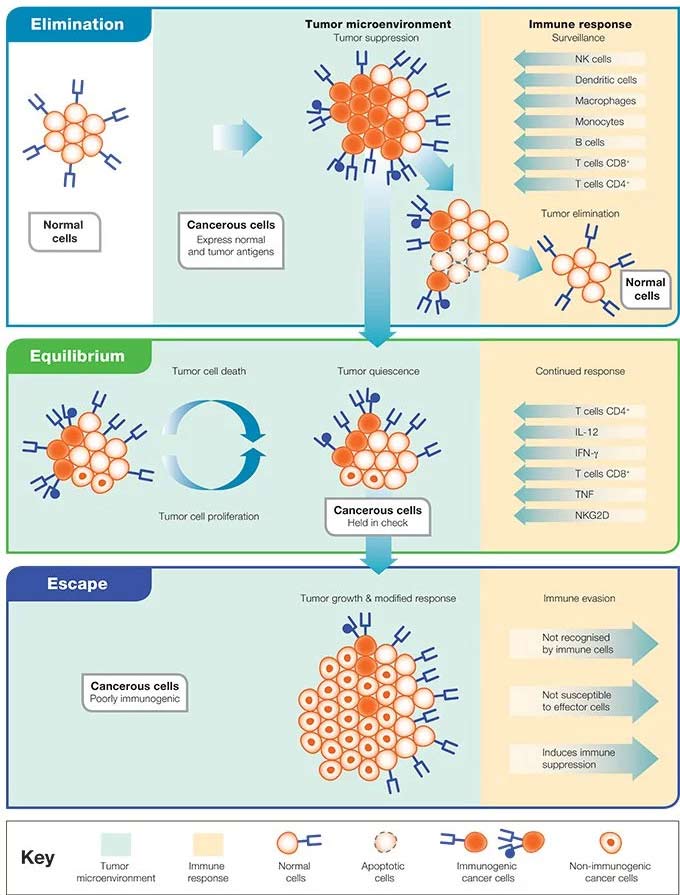
Solid Tumor Research Utilizing the ZE5 Cell Analyzer
- Song Y et al. (2022) Albumin nanoparticle containing a PI3Kγ inhibitor and paclitaxel in combination with α-PD1 induces tumor remission of breast cancer in mice. Sci Transl Med 14, accessed September 7, 2023.
- Du W et al. (2023) WNT signaling in the tumor microenvironment promotes immunosuppression in murine pancreatic cancer. J Exp Med 220, accessed September 7, 2023.
- Bhatia et al (2022) EphB4 and ephrinB2 act in opposition in the head and neck tumor microenvironment. Nat Commun 13: 3535, accessed September 7, 2023.
Challenges of Using Flow Cytometry for Solid Tissue Research
Flow cytometry relies on the preparation of a single cell suspension prior to analysis, which can be challenging in the case of solid tissues. There are several methods that can be used to break apart solid tissue either using mechanical or enzymatic digestion methods, but these can be harsh causing excessive cell death and DNA release.
Solid tissue digests can contain large amounts of extracellular matrix, which is difficult to remove, and readily forms aggregates with DNA and cells. Good sample preparation is paramount and should always include a filtration step, but even so analysis can be challenging due to the formation of aggregates post filtration and instrument blockage.
Why Choose the ZE5 Cell Analyzer for Solid Tumor Research?
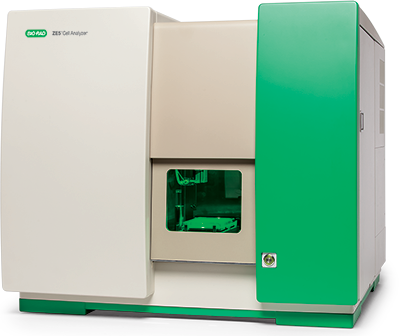
The ZE5 Cell Analyzer has a number of features that help prevent the instrument from suffering down time due to blockages including:
- Universal plate loader with integrated shaking and cooling, this helps to reduce the likelihood of blockages
- Dual direction sample pump that can be reversed in the case of a suspected blockage
- Automated sample line flush cycle for periodic cleaning between samples
- Easily programmed extended cleaning with no additional hands-on time
Supporting Products — ProFlow Cell Filters
Used to remove aggregates and to prepare uniform single-cell suspensions from tissue. An essential addition to flow cytometry sample preparation following solid tissue digestion where cell aggregation can occur readily.

|

|

|
|
30 µm |
50 µm |
70 µm |
Identifying New Therapeutic Agents
Recent advances in our understanding of cancer, particularly with respect to the immune system’s ability to attack cancer cells, have driven the emergence of new drugs and techniques. Additionally, personalized drug screening of approved drug libraries offers a rapid means of identifying small molecule therapies for patients suffering from a disease for which other therapies are not available or are ineffective.
Screening for Cancer Therapies
Flow cytometry is increasingly recognized as an indispensable screening technology, it can be used for non-cell-based and cell-based screening techniques. Phenotypic screening is one cell-based method that relies on the observation of a therapeutic effect rather than target driven approach. It is particularly suited for applications such as personalized drug screening where the mode of action of an agent may be secondary to its therapeutic effect.
 How the ZE5 Cell Analyzer Supports Cancer Drug Discovery
The ZE5 Cell Analyzer has a host of benefits that make it the ideal choice for flow cytometry-based screening applications, including:
- Faster sample processing with rapid plate handling and high event rate clog resistant fluidics
- Superior data quality with reduced carryover between samples using the automated probe wash
- Integration into new and existing robotic workcells using the vendor agnostic API
- Reduced user intervention with external fluidics modules
Supporting Products — Bulk Fluidics Upgrades
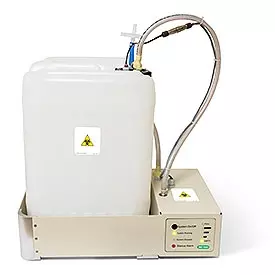
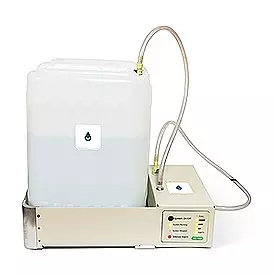
Reduce the day-to-day maintenance needed to run the ZE5 Cell Analyzer. These bulk fluidics carboys allow for up to 22 hours of uninterrupted usage without fluidics changeover. They are ideal for overnight runs and automated laboratories.
|
|
|
ZE5 External Waste Carboy and Fluidics Cart Upgrade Kit |
ZE5 External DI Water Carboy and Fluidics Cart Upgrade Kit |

Essential Tips for Replacing a Lab Instrument
Guide to selecting the right instrument to minimize impacts on productivity.
Download NowLeukemia
The term leukemia applies to all blood cancers and includes acute lymphocytic leukemia (ALL), acute myeloid leukemia (AML), chronic lymphocytic leukemia (CLL), and chronic myeloid leukemia (CML).
Leukemia begins in the bone marrow and lymphatic system and usually involves leukocytes or white blood cells.
A subset of these cells begins to grow in an abnormal way, no longer functions properly, and their increased numbers can hinder the ability of normal cells to perform their function properly.

Fortunately, recent decades have seen a dramatic increase in survival rates due to groundbreaking research and new treatments. These include antibody-based therapies that specifically target cancer cells based on the expression of markers on their cell surface, as well as cell-based approaches such as CAR-T therapy.
Flow cytometry is the gold standard technology for quantifying cell subsets in blood. It plays a crucial role in the diagnosis, monitoring, and treatment of leukemia and has played a pivotal role in building understanding as well as developing new treatments.
Leukemia Research Using the ZE5 Cell Analyzer
- Novikova S et al. (2024). Systems biology for drug target discovery in acute myeloid leukemia. Int J Mol Sci 25, 4618.
- Liu L et al. (2024). Discovery of a potent PROTAC degrader for RNA demethylase FTO as antileukemic therapy. Acta Pharm Sin B 14, 5382–5392.
- Authur NB et al. (2024). Missense mutations in Myc Box I influence nucleocytoplasmic transport to promote leukemogenesis. Clin Cancer Res 30, 3622–3639.
How the ZE5 Cell Analyzer Helps Leukemia Research
The ZE5 Cell Analyzer benefits leukemia research thanks to:
- Industry-leading event rate of 100,000 event per second, allowing faster rare event detection
- Powerful 30-parameter analysis, suitable for complex assays
- Low noise, high resolution optics and detectors for greater sensitivity
Would you like to hear more about the ZE5 Cell Analyzer?
Speak to a Specialist
 Antibodies & Reagents
Suitable antibodies and reagents are critical components for high-throughput screen.
Bio-Rad is dedicated to providing cutting edge reagents for all flow cytometry applications, and has recently launched an exclusive range of StarBright Dyes to allow you to build superior panels.
Bio-Rad also has an extensive range of high-quality antibodies and reagents validated for flow cytometry, to help you conduct successful experiments.
- Flow cytometry antibodies
- StarBright Dyes™
- Calibration and validation reagents
- Flow cytometry supporting reagents
Be the First to Receive Updates on Products and Resources
You'll receive regular communications featuring free lab resources such as application guides, posters, mini-reviews, protocols, practical tips, webinar invitations, special offers, and updates on new research tools and products.
You'll also get our specialist newsletters—including Fab Fragments, Flow. Sorted., and RiVETing—along with news on the latest antibody innovations, such as TrailBlazer™ Antibodies and StarBright™ Dyes.
During sign-up, you can choose your areas of interest so you only receive content relevant to your research, and you can unsubscribe at any time.
