Voices of Women in Science: Professor Ruth Roberts
- Feb 05, 2026
- 3 min read
- Chloe Fenton, PhD
As part of International Day of Women and Girls in Science, Bio-Rad invites researchers to share their own experiences of being a woman in science. In this article, we speak to Professor Ruth Roberts about her career.
Ruth Roberts has had an illustrious and diverse career. She began her scientific journey at the University of Manchester, studying for a bachelor’s degree in biochemistry and molecular biology and pursuing a PhD in molecular oncology, after which she moved to Cancer Research UK to conduct her postdoctoral research. Since then, she has held many prominent positions in industry, including Director of Toxicology at Sanofi and Global Head of Regulatory Safety at AstraZeneca.
Now, Ruth works at ApconiX, an integrated toxicology consultancy and ion channel laboratory that she cofounded in 2015, and she is also the Chair of Drug Discovery at the University of Birmingham. ApconiX now employs over 50 people in the UK and overseas, including many early-career scientists.
Here, she speaks about her unconventional career path and highlights how her tenacious spirit has fuelled her journey.

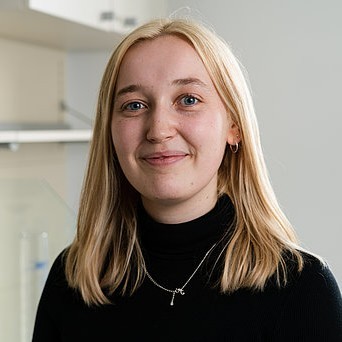
Prof Ruth Roberts. Image courtesy of Ruth Roberts.
Bio-Rad (BR): When did you first become interested in a career in science?
Ruth Roberts (RR): From the beginning, age 4, I was always fascinated by science and never really considered anything else. I had fossils all over the house and frogs in my bedroom!
BR: Can you describe your career path?
RR: It’s been irregular! I have been to industry and academia and back again. I was always driven by the job that allowed me to pursue the science I was interested in rather than a deliberate decision to ‘join industry’ or ‘go back to academia’.
BR: Have you encountered any challenges along the way and if so, how did you overcome them?
RR: Yes, always. Projects being closed, grant funding axed, others given credit for my ideas… It’s just life.
If direct influencing doesn’t work, then influencing the influencers has always worked for me. So, you want a promotion, and your boss doesn’t see it. Who do they respect? Find that person and impress them.
BR: Can you tell us about your current research?
RR: We are pursuing new methods to improve drug safety by developing human-based lab tests that predict unwanted central nervous system (CNS) or cardiovascular side effects.
BR: What has been your career highlight to date?
RR: Publishing the pivotal paper that showed why humans are nonresponsive to rodent carcinogens — that put me in the spotlight.
Also, I worked as an expert witness in California courts! The State of California (SOC) was suing Baxter Healthcare for exposing Californian citizens to DEHP, a phthalate plasticizer that is a rodent hepatocarcinogen. There was no evidence that DEHP is carcinogenic to humans, and our work provided a mechanism for the observed species difference. I spent a few days in the witness stand explaining the research and its implications to the judge. The court dismissed the petition from the SOC, and Baxter was allowed to continue making blood bags and dialysis tubing.
And, of course, starting my own company, ApconiX — that took vision, courage, and determination.
BR: Are there any scientists who have inspired you?
RR: My chemistry teacher, Sally Appleby, who was prepared to see the world differently, too.
BR: What advice would you give to women looking to pursue a career in science?
RR: Do it — and think of yourself as a scientist in science rather than a woman in science. If you don’t see gender in others as a big deal, then hopefully that is reciprocated. Also, be certain that any perceived bias isn’t coming from your behaviours. For example, women tend to underestimate themselves, and men are overconfident. So, be brave, bold, and unstoppable.
I like the mantras: ‘take the right risk’ and also ‘underestimate me, that will be funny’.
Thank you, Professor Ruth Roberst, for sharing your thoughts with us and empowering female scientists early in their careers to take risks and be brave in the pursuit of science.
Want to Hear from More Inspiring Women in Science?
Take a look at the other interviews in our Voices of Women in Science series to learn about the challenges women often face and the advice they give to overcome them.