
Ensuring Western Blot Data Integrity: Best Practices for Robust Results
- Aug 05, 2026
- 4 min read
- Chloe Fenton, PhD
Scientific misconduct, especially image manipulation, has emerged as a major concern in western blotting. In recent years, many papers have been retracted due to evidence of image manipulation, underscoring the importance of generating trustworthy and reproducible data.
As a result, standards for verifying data integrity in western blotting are becoming more and more rigorous. Many leading journals, such as Nature and Cell, have begun enforcing integrity checks as part of the peer review process. So, to successfully publish your research, it’s essential to understand the criteria you must adhere to.
In this blog, we discuss proper documentation and image verification techniques for western blotting experiments to help you generate publication-ready blots.
For more in-depth information on the topics discussed here, read our article “Establishing Image Integrity in Western Blotting: A Practical Guide to Documentation and Data Verification”.
How to Properly Document Western Blot Images for Data Integrity
Examples of scientific misconduct include modifying gel or blot images by adjusting individual bands or by removing or duplicating lanes to mislead conclusions.
However, not all image manipulations are malicious. Adjustments like optimizing exposure or subtracting background can be scientifically valid if applied consistently across the entire image.
Therefore, it’s crucial to recognize the boundary between enhancing image clarity for presentation and manipulating data.
The best way to build trust in your images is to provide thorough documentation for data transparency. You must preserve the raw, unaltered image exported directly from the imaging system, ensuring that any adjustments are made to a copy of this file rather than the original. This will demonstrate that, despite any visual enhancements to the image, the results have not been affected.
It’s also important to record the details of your analysis. Make a note of your imaging system, software, and acquisition parameters, such as exposure time, gain setting, laser power, filter settings, and bit depth, and any adjustments you’ve made for presentation, like brightness and contrast.
Then, when creating your figure legends in your publication, remember to include these image processing details, as well as the normalization method you used, band sizes and molecular weight markers, and the details of your antibody (specifically, the vendor, catalog, and clone number).
The more comprehensive the records you keep, the better. Should any questions arise during the review process regarding the integrity of your data, you’ll have the details you need to quickly and easily address them.
Choosing the Right Normalization Method for Reproducibility in Western Blotting
As with all areas of science, the reliability of your results is intricately linked to the appropriate use of experimental controls. In western blotting, normalization is an essential step to correct for problems such as variations in sample loading and protein transfer across lanes, ensuring that any differences you observe are biologically relevant and not the results of experimental error.
Conventional normalization methods typically rely on housekeeping proteins (HKPs) as loading controls. In theory, the expression of HKPs is expected to be constant throughout different experimental conditions, therefore, determining the ratio of your target to HKP should normalize variations across your samples. However, their expression levels have been shown to vary significantly under different conditions, which raises questions about the reliability of downstream data analysis (Patterson et al. 2025).
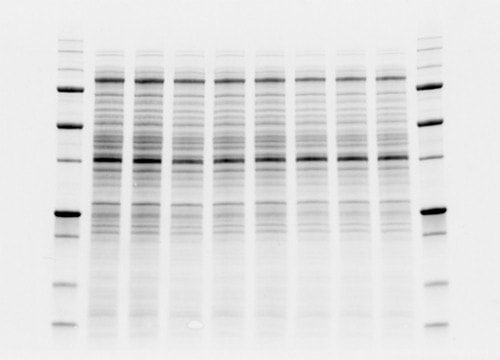
An approach that overcomes these limitations is total protein normalization (TPN), where the entire protein content of a sample is stained and serves as the loading control.
Bio-Rad’s Stain-Free technology uses gels containing a proprietary trihalo compound that binds tryptophan residues in proteins and enhances their natural fluorescence upon exposure to UV light. This enables immediate visualization of proteins without additional staining steps.

Using Stain-Free normalization methods has been shown to improve reproducibility and cut the sample size needed for statistical significance by more than 50% compared to traditional HKP normalization with actin and beta-tubulin (Maloy et al. 2023).
Why Selecting the Ideal Antibody Supplier Matters
Our final piece of advice for generating reliable data is to choose suppliers you can trust that provide high-quality reagents and resources. Not only do products that perform consistently increase the reliability of your results, but if any problems were to occur with your product, you have access to expert support to quickly and efficiently troubleshoot any issues and prevent any major workflow disruptions.
Bio-Rad is a leading manufacturer in the western blotting field, with best-in-class instruments and innovative technologies and also has an esteemed reputation in the antibody sector.
Having acquired AbD Serotec in 2013, a company established in 1980, Bio-Rad has a decades-long history of producing reliable antibodies for multiple applications, with tried-and-tested products that have demonstrated longevity in the field.
Developing in-depth knowledge of antibody best practices, including titration and optimization, experimental planning, and the use of controls, is valuable for the successful implementation of your assays and for obtaining robust results you can have confidence in.
Bio-Rad offers a wealth of resources, interactive tools, and free online courses to empower you to become an antibody expert and get the most from your experiments.
Key Takeaways
Generating reliable and reproducible data is a crucial aspect of scientific research. Recently, data integrity in western blotting has come under particular scrutiny. So, it’s important to set yourself up for success, focusing on strengthening the validity of your data to give your research a fighting chance at publication.
To do so, it’s key to properly document the finer details of your experiments, apply any adjustments consistently, and retain the raw files produced by your imaging system to demonstrate data integrity. Additionally, robust normalization strategies, such as TPN using Stain-Free technology, can improve reproducibility and confidence in your results.
Combining these practices with high-quality reagents and access to expert support can help you produce trustworthy data that withstands peer review.
Want to Learn More about how Stain-Free Technology Can Streamline Your Western Blotting Workflows?
Visit our website to explore the benefits of Stain-Free technology.
References
Maloy A et al. (2023). Stain-Free total-protein normalization enhances the reproducibility of western blot data. Anal Biochem 654, 114840.
Patterson AR et al. (2025). Expressions of commonly used housekeeping proteins are altered in asthmatic mouse lungs. Biochem Biophys Rep 42, 102018.